

How Fintech Is Expanding Access to Investment Opportunities in Nigeria
Nigeria’s financial world has changed completely.
Fintech has taken over. Micro-savings apps. Global stock trading platforms. Investment tools that fit in your pocket.
Millions of Nigerians who were once excluded from formal financial markets can now invest, save, and build wealth.
We are now in 2026. The transformation is accelerating.
Let me show you what is happening, who is leading the charge, and what opportunities exist right now.

Understanding Fintech: A Clear Definition
Before we go further, let us define what fintech actually means.
Source: Corporate Finance Institute. “What is Fintech? Overview of the Financial Technology Industry.
https://corporatefinanceinstitute.com/resources/wealth-management/fintech-financial-technology/
Here is the simple version.
Fintech is using technology to make financial services better, faster, and more accessible. Mobile banking. Digital payments. Online lending. Investment apps. Crypto.
Originally, it meant back-end tech for banks. Now it covers any technological innovation in finance. Financial literacy. Retail banking. Investment. Cryptocurrencies.
The Nigerian Fintech Ecosystem in 2026: Current State and Growth
Nigeria has solidified its position as Africa’s undisputed fintech leader. Let me share the latest numbers for 2026.
Market Size and Growth Trajectory
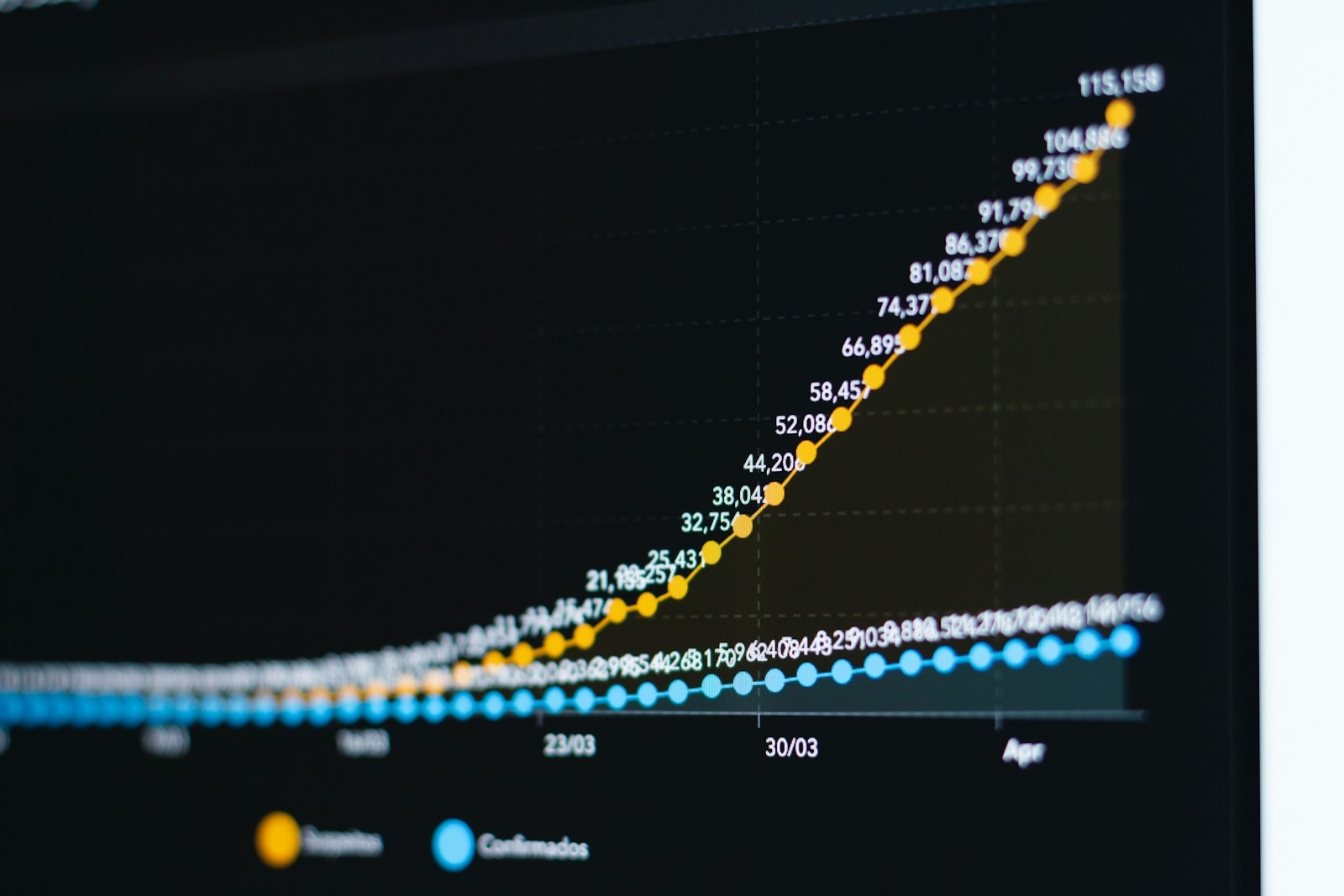
By early 2026, Nigeria has over 500 fintech companies. That is up from 430 in February 2025 and 255 in January 2024. The growth shows no signs of slowing.
A McKinsey report confirms that Africa’s financial services market reached around $230 billion in revenues by the end of 2025. Nigeria’s fintech sector comprises about one-third of Africa’s fintech market.
In 2025 alone, Nigeria recorded over 120 billion mobile money transactions. That amounted to approximately $1.9 trillion.
Regional Dominance and Investment Activity
Nigeria remains the most active hub for fintech deals in Africa. It accounts for nearly 50% of all fintech transactions on the continent.
Lagos has now produced 4 fintech unicorns. As of early 2026, over 250 companies have received funding in this sector. Total funding has exceeded $3.2 billion over the last 11 years.
While 2021 saw a peak of over 861millionraised,2025sawaresurgencewithover700 million in new investments. Early 2026 indicates continued strong momentum. [3]
How Fintech Is Democratising Investment Access in 2026
The traditional Nigerian investment landscape had high entry barriers. Complex processes. Limited accessibility. Fintech has fundamentally disrupted this model.
Lowering Entry Barriers
Fintech’s most significant contribution has been reducing the minimum capital required to start investing. Traditional vehicles often required substantial initial deposits. Millions of potential investors were excluded.
Platforms like Cowrywise allow users to invest in mutual funds, treasury bills, and other low-risk assets with as little as NGN 1,000. It is straightforward even for those new to finance.
Bamboo provides access to U.S. stocks and exchange-traded funds (ETFs) with entry requirements as low as $10 through a simple app interface. Everyday Nigerians can invest in companies like Apple, Tesla, and Amazon.
Simplified Investment Processes
Investech startups are leveraging technology to allow Nigerians to grow their funds through opportunities ranging from real estate to agriculture and the money market. They are deploying solutions to improve and democratise investment and wealth management.
Chaka facilitates Nigerians’ access to global investment opportunities. Users can buy and sell stocks of international companies from the comfort of their homes. User-friendly interfaces and educational resources make it ideal for exploring global markets. [4]
Automated Savings and Goal-Based Investing
Savings-focused platforms have introduced automated features that help users build investment capital over time.
PiggyVest offers a range of financial tools. Automated savings. Fixed savings. Target-based savings. Flex Naira and Dollar accounts. Group savings for rent and household expenses. Users can customise their savings journey.
In 2025, PiggyVest continued its growth trajectory. By early 2026, the platform has exceeded NGN 3 trillion (US$1.9 billion) in total payouts to users since inception. NGN 1.1 trillion was paid out in 2025 alone.

Leading Investment-Focused Fintech Companies in Nigeria (2026)
Several companies have emerged as market leaders. Their innovative platforms have collectively served tens of millions of users.
PiggyVest: Building a Savings Culture
Originally launched as Piggybank.ng as a savings-only platform in 2016, PiggyVest rebranded in April 2019 to offer direct investment opportunities. With features like “Safelock” and “Target Savings,” PiggyVest has encouraged millions of Nigerians to save consistently and build wealth. The platform now claims over 6 million users in 2026.
Cowrywise: Democratising Mutual Funds
Cowrywise continues to transform how people invest. Users can invest in mutual funds, treasury bills, and other low-risk assets with minimal capital through partnerships with licensed fund managers. The platform’s emphasis on financial education has made it particularly popular among young Nigerians. In 2026, Cowrywise has surpassed 3 million users.
Bamboo and Chaka: Global Market Access
These platforms have opened international markets to Nigerian investors who previously had no practical way to invest abroad. Bamboo’s simple app interface enables everyday Nigerians to invest in U.S. stocks and ETFs. Chaka allows users to access stocks listed on international exchanges. Combined, they serve over 2 million active investors in 2026.
Moniepoint: Business Financial Services
While primarily focused on business banking, Moniepoint has become one of the biggest names in African fintech. It made TIME’s 100 Most Influential Companies list and achieved unicorn status in late 2024.
The platform now serves over 15 million users in 2026, processes over 1.5 billion transactions monthly, and processed over $150 billion in payments in 2025. Moniepoint has successfully expanded into Kenya and Uganda following its acquisition of Sumac Bank. [6]
Palmpay: The Rising Star
Palmpay has emerged as a major player in 2025-2026. The platform now serves over 35 million users across Nigeria. Its agent banking network has expanded to cover all 774 local government areas. In 2025, Palmpay processed over $50 billion in transactions.
Trends and Recent Developments in 2026
The Nigerian fintech landscape continues to evolve rapidly.
Cryptocurrency and Web3 Expansion
In 2026, cryptocurrency and Web3.0 are flourishing. Nigeria maintains its leadership in Africa for digital currency adoption. The relaxation of cryptocurrency transaction restrictions has solidified growth. New regulatory frameworks for crypto exchanges were finalized in late 2025, creating clearer paths for Web3 investment platforms.
International Expansion and Partnerships
Nigerian fintech companies are increasingly looking beyond domestic borders.
Moniepoint has fully integrated its East African operations following the acquisition of Kenya’s Sumac Bank. The company launched MonieWorld for international remittances in 2025, and by 2026, it has processed over $10 billion in cross-border transactions.
Flutterwave expanded into 40 African countries and launched new investment products for diaspora Nigerians looking to invest back home.
Embedded Finance Growth
Africa’s embedded finance market experienced robust growth during 2021 to 2025, achieving a CAGR of 15.7%. In 2026, the market is expected to continue growing, with projections indicating expansion from 11.9billionin2024toapproximately18.0 billion by 2030. [7]
Digital Lending and BNPL Services
Digital lending applications and Buy Now, Pay Later (BNPL) services have become mainstream in the Nigerian fintech space. The ability to provide quicker loans through a simplified lending process gives this model a competitive advantage over traditional lending. In 2026, BNPL services are integrated into most major e-commerce platforms in Nigeria.
AI-Powered Investment Advisory
Artificial intelligence has transformed investment advisory services in 2026. Robo-advisors powered by AI provide personalised investment recommendations to millions of Nigerian users. Platforms like Cowrywise and PiggyVest have launched AI-driven features that analyse spending patterns and suggest optimal savings and investment strategies.
Fastest Growing Companies
The Financial Times’ 2026 list of Africa’s Fastest-Growing Companies continues to highlight Nigerian fintech companies. Moniepoint, Palmpay, and Paga remain top performers, showing continued resilience in navigating currency fluctuations, inflation, and a maturing investment landscape. [8]
Impact on Financial Inclusion in 2026
The transformation driven by fintech extends far beyond convenience. It represents a fundamental shift in financial inclusion across Nigeria.
Reaching the Unbanked Population
The unbanked population in Nigeria has dropped significantly. From about half of adults unbanked in 2023, the figure has fallen to approximately 35% in early 2026. Fintech platforms have bridged the gap by offering mobile-first solutions that do not require physical branch visits.

Through mobile banking, digital payments, and other innovations, fintech is extending financial services to previously underserved communities, driving financial inclusion and widening economic opportunities.
Increasing Transaction Volumes
Profitability and Sustainability
As platforms mature, they are demonstrating sustainable business models. Kuda processed over 350 million transactions worth ₦16.5 trillion in 2025. It continues to issue overdrafts profitably and has expanded its remittance services targeting Nigerians in the diaspora.
Challenges and Regulatory Environment in 2026
Despite remarkable progress, the fintech sector faces significant challenges.
Regulatory Hurdles and Compliance
The regulatory landscape has stabilised but remains complex. In 2025, the Central Bank of Nigeria (CBN) finalised new guidelines for fintech operations, including clearer rules for digital lending, crypto exchanges, and investment platforms.
If a fintech service provider offers misleading or inaccurate information that leads customers to make poor financial decisions or incur losses, the company may be held liable. Particular concern exists around incorrect data about investment opportunities.
Anti-money laundering (AML) and counter-terrorism financing (CTF) compliance continues to be a significant operational cost for fintechs.

Infrastructure Challenges
Gaps in digital and physical infrastructure still limit the potential of fintech solutions to scale, though significant progress has been made. Broadband penetration reached 55% in 2025, up from 48% in 2024.
Reliable internet infrastructure and services remain essential for fintech products. The government’s continued investment in digital infrastructure is helping to enhance connectivity and market access.
Economic Pressures
Macroeconomic pressures like inflation (still elevated in early 2026) and currency volatility continue to affect both investment inflows and consumer adoption of fintech services. However, fintech platforms have proven resilient, adapting their offerings to help users navigate the challenging environment.
Cybersecurity and Consumer Protection
Cybersecurity remains a top priority. In 2025, the CBN issued enhanced cybersecurity guidelines for fintechs. Platforms have invested heavily in security infrastructure. Consumer protection mechanisms have been strengthened, including clearer dispute resolution processes and deposit insurance for certain fintech products.
The Role of Foreign Investment in 2026
International capital and expertise continue to be crucial accelerators for Nigeria’s fintech ecosystem.
Strategic Investments
Foreign investors provide startups with capital, knowledge, technologies, and associations they need to grow rapidly. The involvement of international parties makes regulatory authorities provide more conducive conditions, enhancing the sector’s growth.
Major international investors have maintained their stakes in Nigerian fintechs. In 2025, new investments included a 50millioninjectionintoFlutterwavefromaconsortiumofglobalinvestorsanda30 million Series C extension for Moniepoint.
Notable Acquisitions
Stripe’s acquisition of Paystack for over $200 million remains a landmark deal. In 2025, new acquisitions included a major European fintech acquiring a significant stake in a Nigerian digital lender, demonstrating continued global interest.
Cross-Border Partnerships
Fintech companies continue collaborating with traditional banks to tailor services to the evolving needs of Nigerian consumers and businesses. Traditional banking products are being paired with innovative tech solutions such as lending platforms, virtual investment advisors, digital insurance products, and digital remittance solutions.
Future Outlook: 2026 and Beyond
Looking ahead, Nigeria’s investment fintech sector presents numerous opportunities for continued growth and innovation.
Untapped Market Potential
With the unbanked population now around 35%, down from over 50% in 2023, there is still significant possibility for further growth. The remaining unbanked are primarily in rural areas, representing the next frontier for fintech expansion.
Emerging Investment Verticals
Investment opportunities continue to diversify. Real estate crowdfunding, agricultural investment tokens, and renewable energy project financing are emerging as new verticals in 2026. Fintech companies are focusing on deploying solutions to democratise access to these asset classes.
Technology Integration
AI integration and embedded finance continue to expand. Growth areas include AI-powered personalised financial advice, automated portfolio management, and integration of investment services into everyday apps like payment platforms and e-commerce sites.
Ecosystem Collaboration
More collaboration between fintechs, traditional banks, and telecom providers is unlocking broader opportunities. Competition remains intense between telcos, fintechs, banks, and B2B enablers vying for control of distribution layers in the embedded finance space.

Education and User Adoption
Unlocking untapped potential requires continued investment in user education. Fintech platforms are increasingly incorporating financial literacy content into their apps, helping users make informed investment decisions.
The Bottom Line for 2026
Nigeria’s fintech revolution has fundamentally transformed investment accessibility. Wealth-building opportunities have reached millions who were previously excluded from formal financial markets.
Through innovative platforms that lower entry barriers, simplify investment processes, and provide access to both local and global markets, fintech companies have democratised finance in ways that traditional institutions never achieved.
The sector’s growth trajectory remains strong. With over 500 fintech companies operating in early 2026, trillions in processed transactions, and continued international investment, Nigeria’s position as Africa’s fintech leader is secure.
The expansion into cryptocurrency, AI-powered solutions, cross-border operations, and new investment verticals suggests the ecosystem will continue maturing.
However, realising the full potential of fintech-enabled investment access requires addressing persistent challenges. Infrastructure gaps. Regulatory complexity. Financial literacy gaps. Cybersecurity threats.
Success depends on continued collaboration among fintech innovators, regulatory authorities, traditional financial institutions, and technology providers.
For ordinary Nigerians in 2026, the fintech revolution means investment opportunities that were once the preserve of the wealthy are now accessible through mobile phones. Whether saving small amounts automatically, investing in mutual funds with minimal capital, or buying fractional shares of international companies, millions of citizens are now active participants in wealth creation.
Call To Action
About Stonehill Research
Stonehill Research is a leading research and consulting firm providing comprehensive analysis of emerging markets, technology trends, and economic development across Africa.
Our reports combine rigorous data analysis with on-the-ground insights to help businesses, investors, and policymakers make informed decisions.
How we can help you in 2026:
-
Fintech market analysis and competitive intelligence
-
Investment opportunity assessment
-
Regulatory compliance advisory
-
Partner identification and due diligence
-
Consumer behaviour research
Contact us:
📧 Email: info@stonehillresearch.com
📍 Address: Suite 7, 2nd Floor, St Elizabeth Plaza, 77 Okumagba Avenue, Warri, Delta State, Nigeria
Let us help you navigate Nigeria’s fintech revolution.

Reference
[1] Corporate Finance Institute – Definition of Fintech
https://corporatefinanceinstitute.com/resources/wealth-management/fintech-financial-technology/
[2] Fintech News Africa – Nigeria’s Fintech Ecosystem 2026
fintechnews.africa – 2026 Nigeria fintech market report
[3] Tracxn – FinTech in Lagos, Nigeria – 2026 Market & Investments Trends
tracxn.com – Lagos fintech investment data
[4] TechCabal – The Biggest Fintech Companies in Nigeria 2026
techcabal.com – 2026 fintech rankings
[5] PiggyVest – Company Milestones and Payout Data 2026
piggyvest.com – Platform statistics
[6] Moniepoint – Company Overview and Expansion Updates 2026
moniepoint.com – Corporate announcements
[7] Globe Newswire – Africa Embedded Finance Business Report 2026
globenewswire.com – Embedded finance projections
[8] Financial Times – Africa’s Fastest Growing Companies 2026
ft.com – 2026 rankings
[9] Chambers and Partners – Fintech 2026 Nigeria | Global Practice Guides
practiceguides.chambers.com – Nigeria fintech regulatory guide
[10] World Bank – How Nigeria Can Leverage the Rise of Fintech for Economic Progress
worldbank.org – Fintech and financial inclusion research
There are no comments