

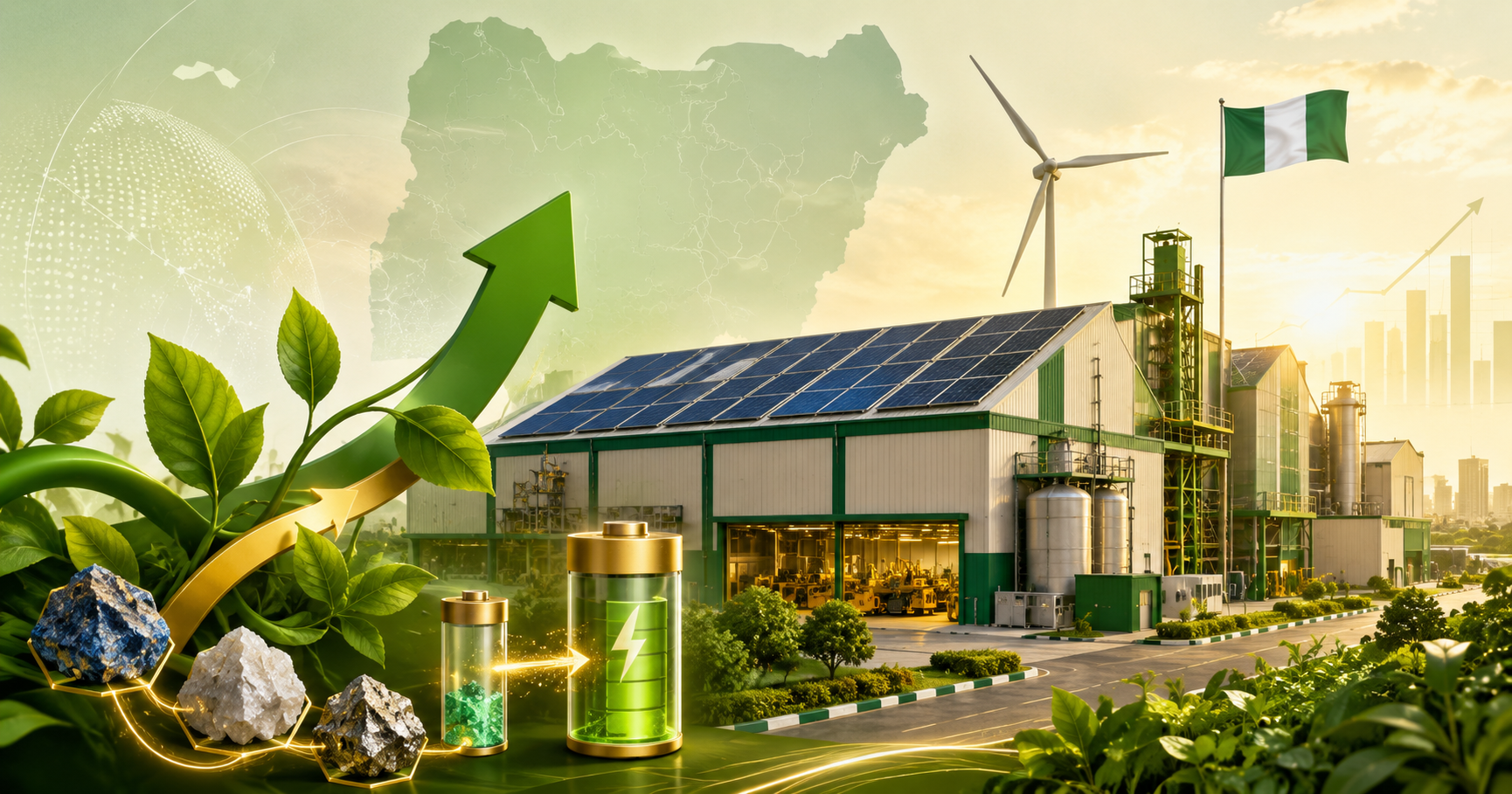
Africa’s Green Industrialization Drive: What It Means for Nigeria’s Manufacturing Sector
Africa is at a turning point. And honestly? It is an exciting one.
Across the continent, we are seeing a serious push toward something called green industrialization. That might sound like a fancy term, but let me break it down simply. It means building industries that grow our economy without destroying our environment. It means creating jobs, powering factories, and producing goods in a way that does not poison the air or drain our natural resources.
For Nigeria, Africa’s largest economy, this shift is personal. Our manufacturing sector has been struggling for years. Power failures, bad roads, unstable currency, you name it. But this green wave? It could change everything.
In this post, I want to walk you through what Africa’s green industrialization drive really means for Nigerian manufacturers, policymakers, and investors. Not in abstract terms. In real, practical ones. And I will show you how Stonehill Research can help you not just survive this transition but lead it .
What Exactly Is Green Industrialization?
Before we go further, let us get on the same page.
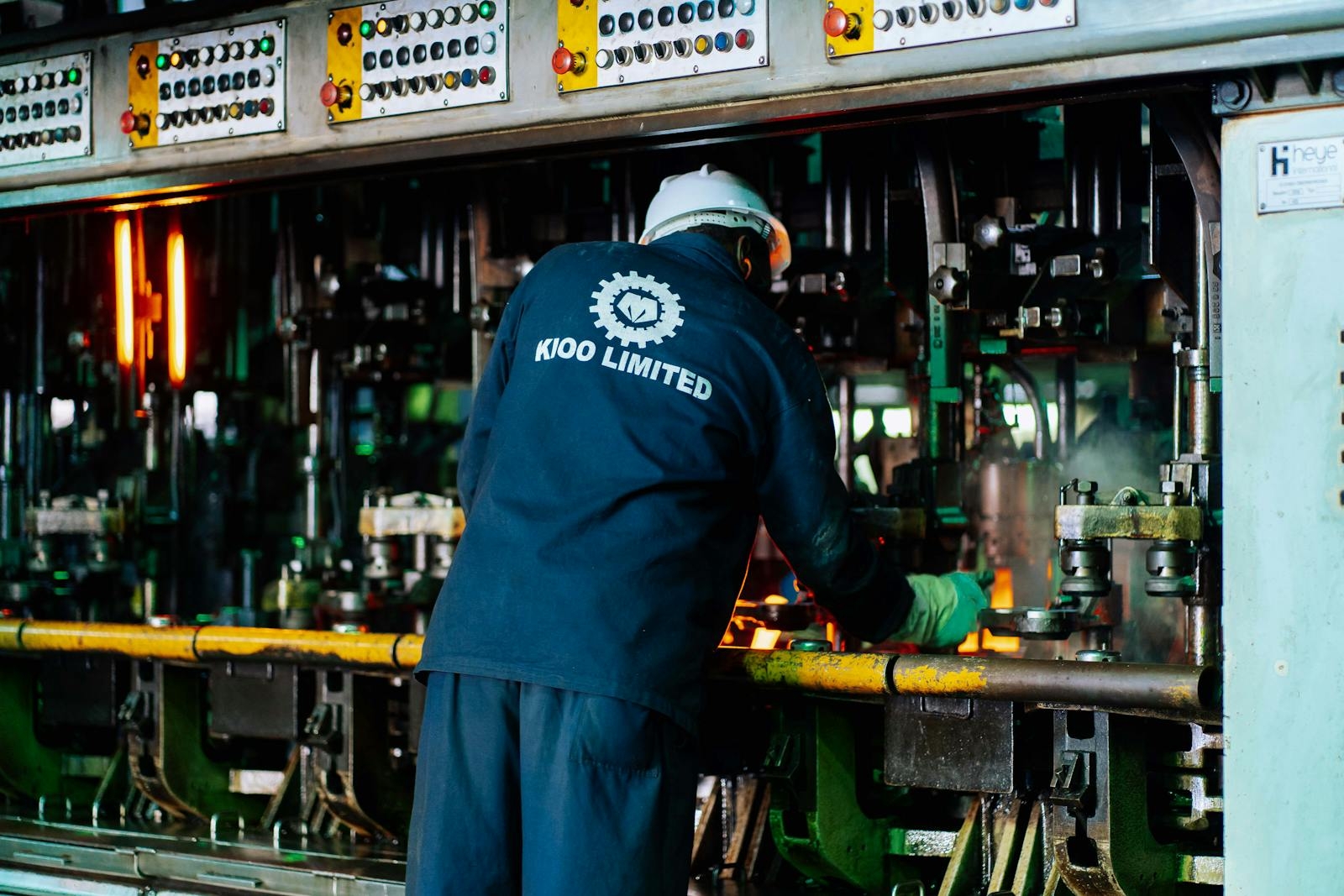
For a Nigerian manufacturer, this could mean switching from diesel generators to solar powered systems. It could mean sourcing raw materials locally instead of importing them. It could mean redesigning production lines to waste less and recycle more.
And here is the good news. Doing this does not just help the planet. It helps your bottom line. Lower energy costs over time. Access to new export markets under the African Continental Free Trade Area. And eligibility for international climate finance that traditional businesses cannot touch.
As we discussed in our post about import substitution in Nigeria , local sourcing and energy efficiency are already becoming competitive advantages for Nigerian manufacturers.
Africa Is Not Waiting. Neither Should We.
Let me tell you about the exciting things happening across the continent.
The Africa Green Industrialization Initiative (AGII)
In 2023, African leaders launched the AGII. This is a pan-African commitment to transform how we build industries. The focus is on energy-intensive sectors like cement, steel, and chemicals. The goal is to create a virtuous cycle where renewable energy powers industrial growth, and industrial growth drives more renewable energy deployment.
Kenya is leading this charge under President William Ruto. But Nigeria needs to be right there with them. Active participation in AGII is how we attract green industrial investments to our shores.
The Africa Renewable Energy Manufacturing Initiative (REMI)
This one is particularly close to my heart. REMI, supported by Sustainable Energy for All, is all about building local capacity to manufacture renewable energy equipment. Solar panels. Wind turbines. Batteries.
Right now, REMI is active in Ghana, Kenya, Nigeria, and South Africa. By 2026, it will expand to more countries. The goal is simple. Stop importing everything. Start making clean energy technologies right here in Africa.
Our market intelligence shows that local solar panel assembly alone could create over 50,000 manufacturing jobs in Nigeria by 2030.
Other Developments You Should Know About
The African Union has also launched the Fourth Industrial Development Decade for Africa, covering 2026 to 2035. This framework is designed to accelerate structural transformation in line with Agenda 2063.
And of course, there is the AfCFTA. A single market of 1.3 billion people. If Nigerian manufacturers can align with green standards, that market is ours to capture.
By the way, Africa added 2.4 gigawatts of new solar capacity in 2024 alone. Renewable energy now makes up nearly 15 percent of total installed capacity across the continent. The momentum is real.
Why Africa Is Perfectly Positioned for This
Let me share three reasons why Africa has a genuine advantage here.
First, Our Minerals
Africa holds more than 30 percent of the world’s cobalt reserves. We also have significant deposits of lithium, copper, manganese, rare earth metals, and graphite. These are exactly what the world needs for electric vehicle batteries, solar panels, and other green technologies.
Yet today, Africa captures less than 1 percent of global battery production. That is not a failure. That is an opportunity. Zambia and the Democratic Republic of Congo are already exploring regional battery production hubs. Nigeria can and should do the same.
Second, Our People
By 2050, Africa’s population will reach 2.5 billion. Our youth population, already the largest in the world, will double to over 830 million. By mid-century, Africa’s working age population will account for about a quarter of the global workforce.
That is an asset no other continent has. If we invest in the right skills, our young people can power the green industries of the future.
Third, Our Sun and Water
We have vast renewable energy resources. The Grand Inga Dam on the Congo River could potentially generate 40 gigawatts of electricity. That is enough to power industrial growth across multiple countries. And decentralized solar and wind systems are becoming cheaper and more viable every year.
As noted in our policy engagement guide , supportive regulatory frameworks are key to unlocking this potential.
The Hard Truth About Nigeria’s Manufacturing Sector Right Now
I do not want to paint a rosy picture that ignores reality. So let me be honest about where we stand.
The Numbers Tell a Difficult Story
Manufacturing growth slowed to 1.38 percent in 2024, down from 1.40 percent the year before. The sector’s contribution to GDP dropped to 8.21 percent from 8.64 percent.
Yes, nominal output surged by nearly 35 percent to N33.43 trillion in the second half of 2024. But that was largely driven by inflation, not by producing more things. Real output grew only 1.7 percent.
Capacity utilization improved marginally to 57 percent. That means nearly half of our manufacturing capacity is sitting idle.
The Challenges Are Real
Let me highlight a few.
Energy. In 2024 alone, the national grid failed 12 times. The Manufacturers Association of Nigeria estimates that poor power supply costs the economy N10 trillion annually. That is nearly 2 percent of GDP. Manufacturers now spend almost 40 percent of their production costs on energy, mostly from expensive diesel and petrol generators.

Foreign exchange. About 65 percent of manufacturing companies listed on the Nigerian Exchange reported forex losses in the first half of 2024. Sixty percent of companies have significant foreign exchange needs for imports or debt service.
Production costs. Costs surged by 18.2 percent in the fourth quarter of 2024. High inflation and elevated interest rates are squeezing profits.
Infrastructure. We lack functional railways connected to seaports. Our roads are poorly maintained. Logistics costs are killing competitiveness.
But There Are Bright Spots
I do not want to be all doom and gloom. Some things are improving.
Capital expenditure in manufacturing increased by 26.4 percent to N179.3 billion in 2024. That tells me manufacturers still believe in the long term.
Local sourcing of raw materials improved from 52 percent to 57.1 percent. The forex scarcity forced local sourcing, and that is actually a good thing.
Sectors like motor vehicle assembly, non-metallic mineral products, and electrical and electronics showed increased activity.
And the MAN CEO Confidence Index rose marginally to 50.7, indicating cautious optimism.
So What Does Green Industrialization Mean for Nigeria?
This is the heart of the matter. Let me break down the opportunities and the challenges.
The Opportunities
1. Access to green finance and investment. International development finance institutions and private investors are pouring money into green projects. Nigerian manufacturers can tap into this through frameworks like AGII. Green financing for Nigerian manufacturers is becoming more available.
2. Regional market integration. The AfCFTA green economy gives us access to 1.3 billion consumers. If we align with green standards, we can export sustainable products across Africa.
3. Renewable energy infrastructure. Programs like REMI could help us build domestic solar panel manufacturing, wind turbine production, and battery assembly. That solves our energy problem and creates new industries.
4. Value addition to our minerals. Instead of exporting lithium and other critical minerals raw, we can process them here. Build refining capacity. Manufacture components. Keep the value in Nigeria.
5. Green manufacturing jobs in Nigeria. Renewable energy installation, energy efficiency retrofitting, electric vehicle assembly, environmental technology development. These are new career paths for our young population.
6. Less dependence on fossil fuels. Solar and wind offer predictable long-term costs. No more volatility from diesel prices or fuel scarcity.
The Challenges and Risks
1. High transition costs. Retrofitting factories with green technology costs money. In our current economic environment, many Nigerian manufacturers cannot afford it without support.
2. Technology gaps. We are behind on Industry 4.0 adoption. Green manufacturing requires advanced technology, data systems, and skilled workers.
3. Infrastructure prerequisites. You cannot do green industrialization without stable electricity, good roads, and digital connectivity. We have work to do there.
4. Risk of a green resource curse. We could repeat the same mistake. Export raw lithium. Import finished batteries. That would be a tragedy. We must design policies that force local processing.
5. Competition from other African countries. South Africa, Kenya, Morocco, and Egypt are moving fast. They have better infrastructure and more stable policies. We need to catch up.
6. Policy coordination. Green industrialization cuts across energy, trade, industry, and environment. Nigeria has historically struggled with policy consistency across ministries.
7. Skills gap. Our education system is not yet producing graduates with expertise in renewable energy, circular economy principles, or sustainable manufacturing processes.
Our capacity building programs are designed to help bridge this exact gap.

What Nigeria Should Do Next
I have spent years thinking about these issues. Here is what I believe Nigeria needs to do.
On Policy and Regulatory Framework
We need a National Green Industrial Strategy. Not a document that sits on a shelf. A real plan with targets, timelines, and accountability.
We should establish Green Industrial Zones. Special economic zones with reliable renewable energy, streamlined regulations, and tax incentives for green investments.
We must implement local content requirements for green energy projects. If a solar farm is built in Nigeria, a percentage of the panels should be made in Nigeria.
And we need to harmonize our standards with African and international green standards. That way our products can be exported without barriers.
On Energy Infrastructure
Accelerate renewable energy deployment specifically for industrial clusters. Do not wait for the national grid to fix itself. Build solar and wind mini-grids for manufacturers.
Support distributed generation. Let manufacturers generate their own power, store it, and even sell excess back to the grid.
Invest in grid modernization. Our transmission infrastructure cannot handle intermittent renewable sources. That needs to change.
On Financial Mechanisms
Establish a Green Manufacturing Fund. Concessional loans for manufacturers transitioning to green technologies. Capitalize it through development finance institutions and climate funds.
Offer transition incentives. Tax credits. Accelerated depreciation. Import duty waivers for green technology.
Leverage blended finance. Use public money to de-risk private investments in green manufacturing.
On Capacity Building
Workforce development programs. Partner with technical institutions to create curricula for green manufacturing skills.
Technology transfer partnerships. Help Nigerian manufacturers partner with international green technology leaders.
Innovation hubs. Research and development centers focused on adapting green technologies to Nigerian contexts.
On Value Chain Development
Encourage backward integration. Do not export raw critical minerals. Process them here.
Create industry clusters around specific green value chains. Solar equipment manufacturing in one zone. Electric vehicle assembly in another. Green building materials in a third.
Support SMEs. Small manufacturers need help to participate in green value chains as suppliers and service providers.
On Regional Integration
Play a leadership role in AGII. Do not wait for others to decide our fate.
Use AfCFTA aggressively. Access regional markets for green products.
Learn from South Africa, Kenya, and Morocco. They have made progress. We should study what works and adapt it.
The Path Forward
Here is what I truly believe.
Africa’s green industrialization drive is a historic opportunity. Not just for economic growth, but for a different kind of prosperity. One that does not come at the expense of our environment.
For Nigeria, the stakes could not be higher. We are Africa’s largest economy. Our manufacturing sector has massive potential. If we get this right, we can lead the continent into a sustainable industrial future.
But we have to move beyond talk. We need action. Reforming energy systems. Mobilizing finance. Building skills. Upgrading infrastructure. Crafting coherent policies.
And we need a mindset shift. Environmental sustainability is not a constraint on growth. It is a catalyst for innovation, competitiveness, and long-term profitability.
The green industrial revolution is coming to Africa. The only question is whether Nigeria will lead or be left behind.
I believe we can lead. But we have to start now.
Frequently Asked Questions
Q1: What is green industrialization and why does it matter for Nigerian manufacturers?
Green industrialization is the process of building industries that grow the economy without destroying the environment. According to the UN Environment Programme, it is “state driven structural change while also promoting broader social and environmental goals.” For Nigerian manufacturers, it matters because it offers lower long-term energy costs, access to new export markets under AfCFTA, and eligibility for international climate finance that traditional businesses cannot access. It also helps solve Nigeria’s persistent energy challenges by shifting manufacturing away from expensive diesel generators.
Q2: What is the Africa Green Industrialization Initiative (AGII) and how can Nigeria benefit?
AGII is a pan-African commitment launched in 2023 to transform how industries are built across the continent. It focuses on energy-intensive sectors like cement, steel, and chemicals. Nigeria can benefit by actively participating to attract green industrial investments, accessing technical assistance and climate finance, and positioning itself as a regional leader in sustainable manufacturing. Active participation is how we signal to international investors that Nigeria is open for green business.
Q3: What is the current state of Nigeria’s manufacturing sector?
Manufacturing growth slowed to 1.38 percent in 2024, with the sector’s contribution to GDP dropping to 8.21 percent. Capacity utilization is at 57 percent, meaning nearly half of manufacturing capacity sits idle. However, capital expenditure increased by 26.4 percent to N179.3 billion, and local sourcing improved from 52 percent to 57.1 percent. The MAN CEO Confidence Index rose to 50.7, indicating cautious optimism among manufacturers.
Q4: What are the main challenges facing Nigeria’s manufacturing sector today?
The key challenges include: poor power supply (national grid failed 12 times in 2024, costing the economy N10 trillion annually), foreign exchange volatility (65 percent of listed manufacturers reported forex losses), high production costs (surged 18.2 percent in Q4 2024), and poor infrastructure (lack of functional railways, poorly maintained roads, high logistics costs). Manufacturers now spend almost 40 percent of production costs on energy, mostly from expensive diesel generators.
Q5: What opportunities does green industrialization offer Nigerian manufacturers?
Six major opportunities include: access to green finance and international climate investment; regional market integration through AfCFTA (1.3 billion consumers); domestic renewable energy equipment manufacturing (solar panels, batteries, wind turbines); value addition to critical minerals (lithium, cobalt, copper); new green manufacturing jobs; and reduced dependence on fossil fuels and price volatility.
Q6: What is REMI and how does it affect Nigeria?
The Africa Renewable Energy Manufacturing Initiative (REMI), supported by Sustainable Energy for All, focuses on building local capacity to manufacture renewable energy equipment. REMI is currently active in Nigeria, Ghana, Kenya, and South Africa, with plans to expand by 2026. For Nigeria, this means opportunities to build domestic solar panel manufacturing, wind turbine production, and battery assembly industries, potentially creating over 50,000 manufacturing jobs by 2030.
Q7: How can Nigerian manufacturers finance their green transition?
Financing options include: accessing green financing through AGII and other international climate funds; applying for concessional loans from development finance institutions; leveraging blended finance structures (public money to de-risk private investment); government transition incentives (tax credits, accelerated depreciation, import duty waivers); and establishing a proposed Green Manufacturing Fund with concessional loans for manufacturers.
Q8: What policy recommendations does Stonehill Research propose?
Stonehill Research recommends: establishing a National Green Industrial Strategy with targets and accountability; creating Green Industrial Zones with reliable renewable energy and tax incentives; implementing local content requirements for green energy projects; accelerating renewable energy deployment for industrial clusters; establishing a Green Manufacturing Fund; workforce development programs; technology transfer partnerships; and playing a leadership role in AGII and AfCFTA.
Q9: How does the AfCFTA relate to green industrialization?
The AfCFTA creates a single market of 1.3 billion people. If Nigerian manufacturers align with green standards and produce sustainable products, they can export across Africa without tariffs or barriers. The AfCFTA green economy specifically promotes trade in environmentally friendly goods and services. Nigerian manufacturers who get ahead of these standards will capture regional market share before competitors catch up.
Q10: How can Stonehill Research help my manufacturing business navigate green industrialization?
Stonehill Research offers: Strategic Advisory Services to analyze green industrialization opportunities specific to your sector; Market Intelligence reports on emerging trends and investment opportunities; Policy Engagement Support to access government incentives and development finance; and Capacity Building workshops on green manufacturing best practices and sustainable business models. Contact us to schedule a consultation.
About Stonehill Research
Let me introduce us properly.
Stonehill Research is a research and advisory firm that specializes in economic development, industrial policy, and market trends across Africa. We help policymakers, investors, and business leaders navigate complex landscapes and find opportunities for sustainable growth.
We are deeply familiar with Africa’s green industrialization drive and what it means for Nigeria’s manufacturing sector. This is not abstract theory for us. It is the work we do every day.
If you are trying to understand how this transition affects your business or your policies, we can help.
Let’s Work Together
Are you a manufacturer wondering how to finance your green transition? A policymaker designing incentives for green industries? An investor looking for opportunities in Africa’s green economy?
We should talk.
Here is how Stonehill Research can help you:
-
Strategic Advisory Services. We will analyze green industrialization opportunities specific to your sector and your business. Learn more
-
Market Intelligence. We produce comprehensive reports on emerging trends, policy developments, and investment opportunities in Africa’s green economy. Learn more
-
Policy Engagement Support. We guide you on accessing government incentives, development finance, and regional integration frameworks. Learn more
-
Capacity Building. We run workshops and training programs on green manufacturing best practices and sustainable business models. Learn more
Reach out to us today:
📧 Email: info@stonehillresearch.com
📞 Phone: +234 802 320 0801
📍 Address: 5, Ishola Bello Close, Off Iyalla Street, Alausa, Ikeja, Lagos, Nigeria
Contact us today to schedule a consultation. Let us build Nigeria’s sustainable industrial future together.
Recommended reading from the Stonehill Research blog
To help you build a complete understanding of Nigeria’s manufacturing and green industrial future, here are related articles and guides you should read next:
• Import Substitution in Nigeria: Which Sectors Are Finally Becoming Competitive – A deep dive into how local sourcing and energy efficiency are becoming competitive advantages for Nigerian manufacturers.
• Nigeria Beyond Oil: Mapping the Next $100bn Non-Oil Growth Engines – Analysis of how agriculture, technology, manufacturing, and renewable energy are driving Nigeria’s economic transformation.
• Nigeria’s New Economic Zones: What Investors Need to Know in 2026 – Everything you need to know about special economic zones and industrial clusters for green manufacturing.
• How Investors Can De-risk Infrastructure Projects in Frontier Markets – Practical strategies for financing large-scale green industrial projects in challenging environments.
• Nigeria’s Informal Economy: The $200B Market Everyone Is Underestimating – Understanding how informal sector integration plays into green value chains.
Related services from Stonehill Research
We offer the following services to help Nigerian manufacturers, policymakers, and investors navigate the green industrialization transition:
• Strategic Advisory for Manufacturers – We will analyze green industrialization opportunities specific to your sector and your business, including feasibility studies and market entry strategies.
• Market Intelligence for Green Industries – Comprehensive reports on emerging trends, policy developments, and investment opportunities in Africa’s green economy.
• Policy Engagement & Regulatory Advisory – Guidance on accessing government incentives, development finance, regional integration frameworks, and navigating policy changes.
• Capacity Building for Green Manufacturing – Workshops and training programs on green manufacturing best practices, circular economy principles, and sustainable business models.
• Audit & Assurance for Green Projects – Independent verification of environmental compliance, carbon footprint assessment, and ESG reporting.
References
-
United Nations Environment Programme. “Green Industrial Policy.”
-
Africa Green Industrialisation Initiative. “About AGII.”
-
Sustainable Energy for All. “Africa Renewable Energy Manufacturing Initiative.”
-
World Economic Forum, 2025. “Africa’s green opportunity to be an industrial powerhouse.”
-
United Nations, 2025. “Africa Industrialization Day Message.”
-
ECDPM, 2025. “Green industrialisation in an age of disruption.”
-
African Center for Economic Transformation, 2025. “Toward Green Industrialization in Africa.”
-
United Nations Industrial Development Organization. “Industrial Development Report – Africa Launch.”
-
Africa Renewal, 2025. “Africa’s industrial future is within reach.”
-
First Icon, 2025. “Nigeria’s Manufacturing Sector in 2024.”
-
Nairametrics, 2025. “Nigeria’s manufacturing output hits N33.43 trillion in H2 2024.”
-
Businessday NG, 2025. “Nigeria’s manufacturing growth slows in 2024.”
-
Stransact. “Navigating Global Challenges Affecting Nigeria’s Manufacturing Industry.”
-
Trading Economics. “Nigeria Manufacturing Production.”
There are no comments