

Organizational Culture Assessments
Overview
Stonehill Intelligence and Marketing Limited is a top-notch consulting firm that is specialized in organizational Culture Assessment. Organizational culture assessment instruments are employed to measure the culture of an organizational setting by offering a means to evaluate the general work environment, worker perceptions and beliefs, and workers’ attitudes or behaviors. The application of these assessments can assist an organization in discovering the prevailing organizational culture and where it might be suitable to make changes that will foster the specified culture.
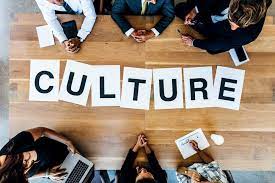
Here’s an overview of our organizational culture assessments:
Values: Foundations that establish proper ways of operation and procedures generally followed in the organization’s activities. Socio-cultural values are things like integrity, innovativeness, concentrating on the customers, and working in teams.
Beliefs: Beliefs are tentative imperatives that are considered standards that members of an organization should embrace. These are not articulated often but are always present and impact the behavior and choices made.
Norms: Ethical norms are the rules/policies that prescribe appropriate conduct regarding certain circumstances. Norms may concern manners of communication, dressing code, and beard length, meeting or telephoning etiquette, and so on.
Symbols: Policies like logos, uniforms, and office designs give a physical illustration of an organization’s value system and all that it stands for.
Rituals and Routines: Activities that culminate in the forming of habits that enhance the culture within the organization or company. These may range from meetings, pavilion announcements, award ceremonies, and every organization’s team-building exercise.
Stories and Myths: Organizational myths recount the history of the organization, its founders, or other significant milestones that are likely to have an indirect impact on passing down values and promoting cultural norms.
Control Systems: Mimicked and supervised ways of controlling and directing behavior like performance management systems, codes of practice, and discipline systems.
Our Method for Organizational Culture Assessment
Surveys and Questionnaires: They provide the means to gather quantifiable information on the attitudes of the employees regarding the culture of the organization. They are normally bench-marked to enable comparison with other organizations. Common examples include:
Organizational Culture Assessment Instrument (OCAI): According to the Competing Values Framework, Organizational culture is classified into four model culture types; which are the Clan culture, the Adhocracy culture, the Market culture, and the finally Hierarchical culture.
Denison Organizational Culture Survey: Capture culture with four main values: Engagement, Uniformity, Flexibility, and Purpose.
Interviews: Individual/Small group: interviews allow for understanding the employees’ experience and view of the corporate culture. They are usually of three types based on their format including structured, semi-structured as well as unstructured.
Focus Groups: These are group discussions that are held to debate about particular cultural topics in more depth. Focus groups are also useful in that the subjects can respond collectively and create conversational impressions that may not arise when the subjects are being interviewed individually.
Observation: I also conducted a direct observation of the culture in the workplace as the assessment aimed at the experience of culture at work rather than surveys asking participants how they feel at work.
Document Analysis: This can include reading specific documents such as a mission statement, company policies, emails, or reports for a structured perspective on the first stage of the culture.
Popular Models and Frameworks
Competing Values Framework (CVF):
Clan Culture: Stresses teamwork, an organizational culture that reflects kinship, and greater importance than rivalry in training.
Adhocracy Culture: Several organizations have a significant emphasis on innovation, flexibility, and risk-taking.
Market Culture: Expands the focus on competitive advantage and goal accomplishment keeping profitability as the primary aim.
Hierarchy Culture: The three key components that pertain to my program are values, formalization, proceduralism, and rationalization.
Denison Model:
Involvement: Employees’ engagement and the degree of their empowerment.
Consistency: The concepts found within the theory include; Core values, Agreement, and Coordination of the organization.
Adaptability: Review the impact of organizational learning, customer-oriented or new ability to respond to changes from outside sources.
Mission: Leadership management of strategic direction and purpose, and clear goals and objectives within the organization.
Hofstede’s Cultural Dimensions Theory:
Power Distance: This is the extent to which females accept inequality in the distribution of power in the different spheres of life.
Individualism vs. Collectivism: Preference for individual or group outcome.
Masculinity vs. Femininity: Concentration emphasis on cutthroat competition over the well-being and welfare of individuals.
Uncertainty Avoidance: For success as an entrepreneur, satisfaction with equilibrium and the ability to accept risks are critical.
Long-Term vs. Short-Term Orientation: One major cognitive bias to consider in decision-making is the ability to focus on future rewards or gain better than present benefits.
Indulgence vs. Restraint: Freedom to fulfil the wants in a given culture or society or the extent to which the attitudes limit the fulfilment.
Edgar Schein’s Model:
Artifacts: Some of these are tangible structures, systems, and practices that can be observed or documented at workplaces.
Espoused Values: There were articulated values, missions, and forgotten policies.
Basic Underlying Assumptions: Subtle assumptions and attitudes that can be at the operational level and which are assumed rather than stated but which affect how one perceives and therefore interacts with the world.
Through these steps and by using different types of assessments and profiles on organizational culture, it is possible to learn about the organizational culture and initiate proper procedures to develop a healthy organizational climate promoting high performance.

Pain Points to Address During Organizational Culture Assessments
Organizational Culture Assessments may be difficult when compared to gap analyses since these involve key aspects of the organizational culture, including its values-systems, beliefs, and practices. Building a good awareness of potential problem areas can aid in managing them effectively to avoid difficulties and enhance the efficiency and quality of the results. Here are some common pain points to consider:
Resistance to Change
Explanation: It is also found that employees and leaders may resist assessment since change is not always easy to embrace, the instrument may require the completion of self-assessment tools, or the assessment may be perceived in a negative light.
Strategies to Address:
Communication: Explain the purpose of the assessment, how the assessment will benefit the students and participants, as well as the detailed process of the assessment. Assure the subject that it is a working tool and not a board designed to accuse the subject.
Engagement: It is best to engage the different strata of employees during both the planning and execution phases to drive ownership and avoid resentment.
Leadership Support: Make certain that leadership plays a visible role in the assessment endeavor so that it becomes a valid activity that people willingly contribute towards.
Lack of Trust
Explanation: Employees may or may not trust the assurance and purpose for which the assessment data will be used and thus, provide fabricated or even stigmatized answers.
Strategies to Address:
Anonymity: Inform all the respondents that the information collected would be kept anonymous and only raw data would be used.
Transparency: Ensure that the purpose of using data is clear, including the communication of its findings and the resultant action plans to the employees.
Feedback Mechanisms: It should also be noted that in the process of realizing these postulates, it is helpful to regularly provide updates and hear concerns and questions from the employees.
Survey Fatigue
Explanation: This is because employees can rarely complain about survey fatigue because they are tired of responding to constant surveys and thus the responses are not as thorough as before.
Strategies to Address:
Survey Design: Some guidelines for effective surveying are: surveys should be brief and only focus on issues that are related. Be Cautious with the Number of Surveys: A common mistake is to conduct too many surveys at the same time, The result is that the attendees become overwhelmed, and few would respond to all of them.
Incentives: They may also want to encourage people to participate in the events and this can be done by rewarding people for their participation in the events.
Alternatives to Surveys: Avoid the over-reliance on survey data and incorporate other means of data collection including interviews and focus group discussions as well as organizational observations.
Bias in Responses
Explanation: Influence can be overemphasized in the results due to the respondents giving socially desirable answers or making biased responses.
Strategies to Address:
Question Design: Stay away from the words that indicate the answer and avoid complex questions that don’t clearly state the questions.
Multiple Methods: Cross-examine data by employing different means of collecting assessment information to support ideas.
Training: Educate and sensitize interviewers and facilitators to respond appropriately to bias that they encounter during the collection process.
Data Interpretation Challenges
Explanation: it is therefore clear that cultural data is not easy to interpret especially when it involves an attempt to mix the two quantitative and qualitative data consistently.
Strategies to Address:
Expertise: Consult with outside sources that specialize in organizational behavior and culture to aid in gathering the data and interpreting the outcomes.
Clear Frameworks: While analysing the factors the following parameters must be taken into consideration: Use of standard Models and frameworks (for example CVF and Denison model).
Use established models and frameworks (e.g., CVF, Denison Model) to guide the analysis.
Collaborative Analysis: The input data analysis should be done by a large number of people without any conflicts of interest so that the analysis is free from certain prejudice.
Alignment with Business Goals
Explanation: The outcomes assigned to the cultural assessment may not necessarily align with the strategic vision of the organization.
Strategies to Address:
Strategic Integration: Integrate the assessment process with the strategic initiative of the organization right through the start.
Actionable Insights: Concentrate on data that need to result in a causal relationship or link that can lead to the accomplishment of specific organizational goals.
Continuous Improvement: Consider the corresponding assessment as a process rather than a single step in the advancement of cultural awareness and alignment to the company strategies.
Resource Constraints
Explanation: Cultural audits and assessments are time-consuming and may require extensive resources and manpower.
Strategies to Address:
Prioritization: This way, the participants of the culture shift will be able to pay attention to certain key areas that have the most impact on assessment.
Phased Approach: Staging should be used to enable proper management of the resources available as well as the achievable pace of assessment.
External Support: Respondents suggested hiring outside consultants to help out and retain outside perspectives to avoid straining internal resources.
Implementation of Findings
Explanation: It is always difficult to transform specific knowledge into corresponding practices, even if an evaluation indicates clear cultural problems.
Strategies to Address:
Clear Action Plans: Based on such assessment, one needs to design clear, quantifiable, realistic, proper, and time-bound strategies, that would help attain the designed goals.
Leadership Involvement: Leaders must be dedicated enough to champion envisioned change and collaborate with others in the sustenance of the change.
Ongoing Evaluation: Map the outcomes of the actions to cells of the change scoreboard and adjust the changes according to the results.
When managed properly, these concerns do not negate the importance of cultural assessments or render them unreliable; instead, they can be used to guarantee that the results of assessments are useful for making organizational improvements.
Detailed Methodical Approach to our Organizational Culture Assessments
Our Approach to Organizational Culture Assessments
Assessing organizational culture involves a professional approach to provide the right diagnosis about the culture of the organization and to embark on finding out the areas of improvement. They include qualitative data analysis, quantitative data analysis, comparative analysis, strength and weakness analysis, macro analysis, ratio analysis, past performance analysis, benchmarking, and traps for the unwary.
Here is a detailed outline of our approach:
Phase 1: Pre-Planning
Objective: Ensure that there is a core understanding of the need for the assessment, and what it will encompass.
Define Goals and Objectives:
What are the key objectives of the culture check exercise? For example, is it for the purpose of enhancing the levels of involvement of subordinates in organizational activities, or is it due to misalignment between organizational culture and the organizational strategic plan?
This implies that one identifies key areas of culture to be diagnosed (e.g., communication, leadership, values, and norms).
Select Assessment Tools:
There are some common tools and methods that should be used in the process of the research (e. g. surveys, interviews, focus groups, and observation).
Some examples are the Organizational Culture Assessment Instrument (OCAI) which is a self-administered and validated tool.
Form an Assessment Team:
Obtain the stakeholders, and form a team that will be charged with the responsibility of carrying out the assessments.
As indicated in the previous chapter, it is essential to establish explicit roles and responsibilities within a team.
Develop a Project Plan:
Hey everyone, please see the following extract for the development of the timeline with key milestones deliverables: So here is the timeline I recommend for the development of key milestones deliverables:
Prepare the budget, workforce, and tools required (if any), etc.
Phase 2: Kick-Off Meeting
Objective: This should be done by officially launching the assessment process by ensuring that all stakeholders are informed and in line with it.
Stakeholder Engagement:
Define the target audience representing stakeholders, for example, executives, managers, and employees, and explain the reasons for the assessment and its significance.
Finally, they should ensure that leadership approves and supports such change because it is a key factor in the successful implementation of a new initiative.
Kick-Off Meeting:
Closely collaborate with the assessment team and major stakeholders to ensure that key objectives, timelines, and deliverables of the project are clearly understood.
I would like to describe the plan of the communication process to keep all members of the team informed during the work.
Training and Preparation:
It is important to train the assessment team on the tools and the methods that are to be deployed.
Ensure readiness of all tools that are required to conduct the assessment, for instance, survey questionnaires or interview guides.
Phase 3: Data Collection
Objective: Collect information regarding the overall culture of the organization with emphasis on the qualitative and quantitative data available in the system.
Conduct Surveys:
Questionnaires could be administered to the employees to be used later for analytical purposes.
To keep respondents honest, the following measures need to be taken: maintain anonymity/ confidentiality.
Hold Interviews and Focus Groups:
This can be achieved through the following ways; Conduct interviews with managers and other important individuals in the organization Aim at conducting focus group discussions with other employees in the organization.
Engage the students in more creative discussions on culture and cultural topics through the use of open-ended questions.
Observe Organizational Behaviour:
Tutorial 2: On Organizational Culture Page 1 Student Name: Lecturer Name: MGT 307 – Management Theory and Practice Date: To carry out the activity assigned to this tutorial, the following procedure was followed: Observation of cultural standards and practices in an organization Page 2 Observation The present tutorial focuses on organizational culture and its definition with the help of an example of an organization.
It is important to take note of not only formal behaviours but also the non-formal ones including the attitudes exhibited.
Collect Additional Data:
Explore all the documents and records that include company policy records, mission statements, and the performance reports of the company.
Here, one has to evaluate such KPIs that would help in understanding the effectiveness of the plan such as employee turnover, and scores of engagements.
Phase 4: Data Analysis
Objective: The data collected has to be scrutinized in order to determine what strategies of the culture are effective and what areas of the culture are weak.
Compile and Organize Data:
Gather/join the survey data and classify the qualitative data from the interviews/focus groups.
Examining the nature of the observed phenomena, it is possible to reveal certain trends.
Analyse Quantitative Data:
Categorize responses based on survey data to view patterns of the responses obtained.
Check and compare with set standards or other data collected from respective industries.
Analyse Qualitative Data:
Design themes, which would help in the discovery of certain significant cultural characteristics of organizations and problems likely to occur.
Coding as a method of analysis to categorize the subject’s narratives concerning the study questions.
Develop Preliminary Findings:
Draw conclusions based on the research analysis done by the author of the article being reviewed.
State the key success factor strengths, activity weaknesses, major opportunities, and significant threats in terms of the organizational culture change.
Phase 5: Evaluation and feedback
Objective: Summarize the results and facilitate the discussion of the identified trends with the interested parties.
Prepare a Detailed Report:
The last task is to design a detailed report, which includes information on the stages of the assessment process, the results of data analysis, and main conclusions.
Some guidelines include: Writing the speech coherently and presenting facts and figures to support arguments Include figures such as charts and graphs to make points stand out.
Present Findings to Leadership:
This is because organizing a presentation for senior leadership can help to share the results of the analysis and their implications effectively.
What recommendations do you suggest as a means of enhancing culture based on the above data?
Gather Feedback:
Seek for stretching from the leadership and other stakeholders and the findings and recommendations made.
They should formally contribute to the report by incorporating their feeds into the final results and report.
Phase 6: Action Planning
Objective: It will also be important to incorporate an action plan that will address cultural impairment and promote cultural improvement within the organization.
Create an Action Plan:
Where possible, create targeted goal-directed activities that are specific, measurable, achievable, relevant, and time-bound (SMART).
The responsibilities as well as the timelines applicable in the process should also be determined.
Communicate the Plan:
Incorporate the action plan to all employees and ask them how it effectively eradicates cultural concerns.
Stress the role of the patients and their input in the project.
Implement Changes:
Implement the action plan hence changing the system systematically and more so to ensure the public understands the process changes.
This involves tracking project progress and if there are shortcomings or areas not working effectively then changes are made.
Continuous Improvement:
Develop a culture assessment and change plan roadmap to guide the evaluation of the culture situation continually.
Make sure there is frequent reflection and modification of the action agenda in the exercise of the cultural formation strategy.
Following these phases may help better and more efficient organizational cultural diagnoses which, subsequently, may facilitate aimed alterations.
The tools and frameworks that we use
Organizational Culture Assessment Instrument (OCAI): According to the Competing Values Framework it is useful in partitioning organizational culture into family resemblance, adhocracy, market, and hierarchy cultural types.
Denison Organizational Culture Survey: Assesses culture about the aspects of Engagement, Statuary, Flexibility, and Purpose.
Hofstede’s Cultural Dimensions Theory: Explains certain cultural factors like PDI – power distance index, IDV – individualism, IV – independence versus interconnectedness, and finally UAI – uncertainty avoidance index.
Edgar Schein’s Model: Describes how SCH cultural knowledge can be postural at three Levels – Artifacts, Espoused Values, and Basic Underlying Assumptions.
Benefits of Our Approach
Comprehensive Insight: This way, we can ensure that your dependent variable is framed correctly and your independent variable is measurable and appropriate for your organizational culture.
Stakeholder Engagement: Organizational analysis that involves both the employees and leaders can be very effective because it guarantees approval and positive data results.
Actionable Recommendations: By implementing transformational leadership, L Brands can focus on clear, guided, and directional action plans for creating positive cultural changes that will correlate with organizational purpose.
Continuous Improvement: We need to continue with serving emphasis on an in-depth analysis of cultural upkeep and alteration over time with new testing and assessment procedures.
When using this organized and integrative approach, it is possible to achieve an effective, comprehensive, and pinpointed validation of the organizational culture, as well as provide recommendations that make a difference.
Benefits of Organizational Culture Assessments
Organizational culture assessments offer several key benefits for organizations
Identify Cultural Strengths and Weaknesses:
Strengths comprise some factors within the current organizational culture that need to be encouraged or maximized for sustainability.
They also make it possible to identify cultural vulnerabilities or pathological aspects that are likely to be negatively impacting results or staff motivation or development.
It enables an organization to advance in areas of a competency model when the culture is not fit for the necessary change.
Assess Alignment with Desired Culture:
A comparison determines the degree of fit between the contemporary organizational culture and either the existing or the hypothetical optimal SC for strategic objectives.
They assist in getting an understanding of whether or not it constrains the attainment of organizational goals.
This, in turn, allows organizations to identify the chasm and start making efforts toward closing it so that the organizational culture corresponds to the vision and values.
Facilitate Cultural Change Initiatives:
On this page, we learn that cultural assessments set the benchmark to support cultural change initiatives.
They can use them in identifying particular scenes that may necessitate cultural change or the addition of some culture.
The collected data can help in setting up priorities and in producing specific measures and operation plans for replacing the negative culture.

Improve Employee Engagement and Retention
Thus, a positive organizational culture can have a positive effect on various organizational outcomes such as engagement, job satisfaction, and commitment.
Surveys were conducted to determine whether cultural issues could be affecting low performance or high turnover in employees.
They include specific contacts with the view of advancing employee morale, productivity, and retention.
Enhance Organizational Performance and Competitiveness:
It has been identified that group culture, if strong and consistent across the organization, is an asset.
Surveys assist an organization in evaluating the degree of entrenched organizational culture and its effects on growth, productivity, and customer relations.
Hence, it could be concluded that by improving culture, organizations could increase the work output, performance, and the decision-making process in the organization.
Support Organizational Transformations, Mergers, or Acquisitions:
In large-scale organizational transformations, if they are planned well, such forms of assessments would help identify the prevailing organizational cultures and possible points of synchronization and possible points of friction.
It is useful to organizations to make policy formulations on how best to integrate different cultures or how they should deal with cultural issues when implementing change.
Foster Continuous Improvement:
Culture audits can be done from time to time to check on the progression of changes in the cultures because change is not instantaneous.
This type of evaluation lets everyone adopt a culture of constant evolution and it makes sure that change is always appropriate to the culture of the organization as it grows and changes.
Thus, by tapping into the advantages offered by organizational culture assessments, organizations can position themselves to accurately navigate through organizational culture and influence change for a better culture that fosters organizational success, creativity, and sustainable competitive advantage.
Results you can expect from our Organizational Culture Assessments
If you participate in our extensive organizational culture surveys, you will get hands-on, DCIA results that can transform your organization for the better.
Here’s an overview of the key results you can expect:
In-depth understanding of Current Culture
Expected Outcomes:
Comprehensive Profile: A well-written description of your current organizational culture, what it stands for, and organizational culture’s main assumptions, rules, and practices.
Cultural Strengths and Weaknesses: Concomitantly sometimes there is identification of areas where their culture is very dominant and areas that lag behind in terms of culture.
Sub-Cultural Analysis: Adequate understanding of the various subcultures within specific departments or groups, in case of the existence of a deviated or conflicting culture.
Impact:
Enhanced Clarity: Constructs a clear picture as to what pertains to the current cultural understanding thereby assisting in identifying and progressing towards enhancing or eliminating the lack of fit between cultural support and the realization of organizational objectives.
Alignment with Strategic Goals
Expected Outcomes:
Cultural Alignment: Auditing your current culture about the improvement of your strategic goals and organizational objectives.
Gap Analysis: Assessment of the differences that exist between the organizational culture of the present period and the organizational culture that will foster the strategy that the firm has set for itself.
Impact:
Strategic Focus: This will entail making sure cultural enablers are aligned to strategy and serve to support strategic objectives, which will in turn elevate the effectiveness and efficiency of the organization in accomplishing its goals.
Fostering Positive Change for Enhanced Employee Satisfaction
Expected Outcomes:
Employee Feedback: Integration of responses from the multi-source feedback tool with a focus on the general appraisal of the organizational climate by employees.
Engagement Drivers: It is established that there are parameters that explain the level of attraction, commitment, and motivation of employees.
Impact:
Boosted Engagement: Practical recommendations that will make the work environment far more stimulating and invigorating, thus increasing the interest rate and desire of the workers to remain in the company.
Actionable Recommendations for Change
Expected Outcomes:
Tailored Action Plans: Contingent, concrete, strategic, and tangible steps to modify and reduce gaps in organizational cultures and enhance beneficial cultural features.
SMART Goals: Implementing Cultural Change Goals: SMART Implementation Goals are clear, measurable, achievable, related to the objective, and have time-bound objectives.
Impact:
Effective Change Management: Of the benefits that come with cultural transformation, one is that it lays down a clear and practical guideline to help an organization bring about change in culture in a strategic, precise, and realistic manner.
Enhanced Communication and Collaboration
Expected Outcomes:
Communication Patterns: Understanding of the current communication practices that are currently being used and the efficiency of each.
Collaboration Opportunities: Certain potential areas that would help in the identification of ways to improve collaboration and minimize the risk of developing silos within the organization include the following.
Impact:
Better Teamwork: If the external and internal environment is improved, and the understanding with all employees is enhanced then we can observe that bargaining will lead to;
Leadership Development and Support
Expected Outcomes:
Leadership Insights: The APKAR’S proposal provided includes the evaluation of leadership styles that are in line with PROPOSED DESIRED CULTURE VALUES.
Development Needs: This is to identify leadership development requirements for enabling organizational authorities and workers to embrace cultural change.
Impact:
Stronger Leadership: To strengthen leadership skills that would enable the change to occur and be sustained.
Ongoing Cultural Monitoring
Expected Outcomes:
Cultural Metrics: New standards are set that can be used to aid in progress checks regarding the health of the culture.
Continuous Feedback Loops: Processes that would allow for the provision of feedback on the culture regularly as well as on an ongoing basis.
Impact:
Sustained Improvement: Keeps culture changes in check and ensures improvements are sustainable and responsive to the changing environment of the organization.
Increased Organizational Performance
Expected Outcomes:
Performance Correlation: Implications of cultural dimension: A study of antecedents of culture, culture’s link with performance parameters.
Performance Enhancement: Ways that cultural resources may be used in strengthening organizational performance.
Impact:
Performance Gains: Cultural improvements and productivity, innovation, and competitive advantage are said to be synonymous, and directly linked.
The organizational culture audit scans convey an overview of your current culture; which aspects to strengthen and which ones to address. The noble intent of ILC and or any organization entails arriving at implementable solutions that will foster improved employee involvement, robust leadership, effective communication, and organizational performance. In this way, we use the constant measurement and subsequent implementation of the necessary changes to maintain sustainable success in cultural operations.
Industries we Serve
organizational culture assessment is beneficial in various sectors, as organizational culture can play a role in the success of the organization, employees’ motivation, and the organization’s competitive edge.
Here are some industries that particularly benefit from conducting organizational culture assessments:
Technology and Innovation Industries:
Evaluating companies’ objectives, one can define that companies in such sectors as software development, biotechnology, and telecommunication give more emphasis on innovation and creativity.
The increased efficiency in understanding how the organizational culture assessment guarantees that the necessary conditions for collaboration, risk-taking, and an entrepreneurial mindset are met.
Healthcare and Pharmaceutical Industries:
Privacy, safety, and quality are integral in those fields since they impact the lives of numerous individuals.
Culture assessments can reveal what needs to be done to improve the effectiveness of communication within work teams, compliance with recommended practices, and many other organizational factors.
Financial Services and Banking:
These industries are highly regulated and therefore require those involved to be trustworthy, act with integrity, and adhere to set regulations.
There are basically three areas with regard to the organizational culture that should be strengthened namely; ethical behavior, risk management, and customer focus.
Manufacturing and Logistics:
Sustainability and reliability as well as effectiveness and optimization of procedures play a tremendous role in such sectors.
Culture measurements on the other hand can measure items such as process orientation, adherence to details, and cooperation.
Hospitality and Service Industries:
Intact customer service, friendly and professional employee disposition, and company reputation are all key success factors for businesses.
A closer examination of the organizational culture may reveal aspects that require improvement to focus more on customers, make employees more productive, and deliver better services.
Consulting and Professional Services:
Hence, these knowledge-based industries are majorly dependent on talent, special knowledge, and teamwork.
The results of culture surveys as a learning organization can stimulate learning culture, effective knowledge sharing, and teamwork.
Retail and Consumer Goods:
Two of the most important and versatile strategic resources are organizational image or reputation, and client satisfaction or perception profile on one hand, and employee loyalty or commitment on the other.
To the existing extent, evaluating the organizational climate can enable customer satisfaction and employee turnover enhancement.
Non-profit and Government Organizations:
These organizations tend to have very distinct organizational cultures that are determined by the mission and the stakeholders they have.
The culture audit tools would assist the values, priorities, and actions of the organizations, their objectives, and benefits in the culture in which they operate.
Mergers and Acquisitions:
Cultural surveys carried out during organizational integrations can reveal areas within which two organizations may have conflicting cultures, thus helping to reduce the clashes.
Rapidly Growing or Changing Organizations:
Culture audits can also prove useful as a company matures because, no matter how much a business’s character develops, getting a clear picture of its organizational dynamic can be invaluable.
Even though it is evident that organizational culture assessment is beneficial in the overall environments targeting different sectors, it is worth focusing on the fact that the targets of the operations and the areas and cultural dimensions evaluated might differ depending on the nature of the field and its primary struggles, goals, and keys to effectiveness.
 Frequently Asked Questions (FAQs)
Here are some frequently asked questions (FAQs) regarding organizational culture assessments:
What is an organizational culture assessment?
Organizational culture review is a way of examining and reflecting upon the expectations, attitudes, practices, and perceptions of the organization’s culture.
Why are organizational culture assessments important?
Culture audits offer a measure of understanding of the current state of the organizational culture; which is an important factor influencing the level of employee morale, their ability to innovate, and the overall organizational performance. They are useful in determining strengths, weaknesses, opportunities for change, and those aspects of culture that should be cultivated in accordance with the defined organizational cultural values.
What methods are used for organizational culture assessments?
Some of the general techniques to achieve these objectives are; questionnaires, interviews, group discussions, overt and non-overt observations, and documents and displays audit (for instance, office space, formal and informal communication, and procedures and policies).
What elements are commonly included as constituents of cultural dimensions?
These dimensions include Leadership and management: power relations, leadership styles, commitment and involvement, communication, decision-making and control, structure and human resources, the role of employees, rewards and incentives, conflicts and resolutions, innovation and risk-taking, and customer orientation.
For an organization to identify areas that require change, how frequently must it undertake a culture assessment?
That is why the frequency of gathering may differ based on the current situation in the organization and its requirements. Possible types of assessments include the annual assessment, assessing organizational culture during significant organizational transitions, assessing during mergers or restructuring, or culture and initiatives related to culture.
Who should be involved in the assessment process?
Ideally, the assessment should be conducted on a diverse and stratified basis across the company in terms of rank, job responsibilities, department, age, gender, employee type, etc., as well as among management and leadership personnel.
It may take one to two hours 30 minutes to complete an organizational culture assessment.
Depending on the size of an organization together with the range and the techniques utilized in the assessment, the extent of the period required for the procedure may differ. More often, assessments can take between three to two or three months at most depending on the stages involved in the assessment stages which are data collection, data analysis, and data reporting.
How is the organizational culture assessment useful?
Some of the benefits include; evaluation of cultural strengths and weaknesses, auditing of cultural transformation and culture that may be required within the organization, the enhancement of cultural change processes, promotion of employee engagement, and introduction of measures that would see most employees stay with the organization, increased organizational performance and competitiveness and lastly support for transformation or merger processes within the organization.
Assessment results hence have different uses as proposed below:
Cultural audit findings may be used to shape culture change or strengthen culture for the explicit purpose, frame leadership development initiatives, strengthen organizational practices, boost employee involvement, and bring culture into conformity with strategy and strategic values.
Can one or more external consultants/experts be involved in the assessment process?
Indeed, the practice of many organizations is to hire outside consultants or other specialists who are familiar with objectives and tools for evaluating organizational culture. They can be impartial, add specialized knowledge, and use the maximum assessment approaches that have been tested so far.
The list below has been compiled as frustrations and some of the most common questions people have about organizational culture assessments, their importance, processes, and possible benefits to organizations.
Why Choose Us
Why Choose Us for Organizational Culture Assessments
Selecting the most appropriate partner when it comes to organizational culture assessments is important to have accurate results and also to deliver change that is much needed in the culture of an organization.
Here’s why we are the best choice for your organization
Expertise and Experience
Deep Knowledge:
To accomplish this, our team consists of highly qualified specialists in organizational behaviour, psychology, and management with significant experience in culture audits in various organizations.
We apply scientific discoveries and recommendations established in our present-day scientific world and business.
Proven Track Record:
With experience over the last one and half decades, we have assisted various organizations in transforming their organizational cultures, creating an engaged workforce, and realizing strategic objectives.
Several references within the body of the text help to support lessons learned and existing client offers to illustrate that they provide tangible benefits.
Comprehensive and Customized Approach
Tailored Solutions:
As it has been pointed out, each organization is unlike the other one in one way or the other. Since all of our assessments are designed in consultation with our customers, we will be able to provide you with a highly-tuned solution that caters to your needs, problems, and objectives.
To keep it qualitative, we employ both the quantitative and qualitative research approaches to give you an all-round understanding of your organizational culture.
Multi-Method Data Collection:
Quantitative and qualitative data collection techniques such as questionnaires, interviews, group discussions, observations, and document review were used to capture quality and accurate information.
Thus, adopting a triangulation design for data collection can prove useful as it also works towards validating the findings.
The researchers have offered practical implications and recommendations.
Clear, Actionable Reports:
At our firm, we prepare robust informative reports that do not require interpretation but can be implemented. They are based on the analysis of the results of the study, and viewpoint and suggestion sections are added to make them better understandable.
We also incorporate the use of charts, graphs, and diagrams in our reports to well present complex data.
Strategic Alignment:
It is about more than a quick fix for issues but also how to ensure that the changes to the culture are supporting your strategic goals.
Action plans We assist you in coming up with SMART (Specific, Measurable, Achievable, Relevant, and Time-bound) Action Plans to make change happen.
Engagement and Buy-In
Stakeholder Involvement:
This assures key stakeholders in the program deliver the assessment outcomes to avoid conflict in the event of resistance to assessment results.
This limits resistance and increases confidence that the assessment completed will be comfortable, and the recommendations implemented.
Effective Communication:
We continue to maintain clear, straightforward correspondence with your team, offering constant updates and feedback provision.
These communication strategies will help to achieve clear recognition of assessment aims and organizational goals, procedures, and advantages.
Continuous Support and Follow-Up
Ongoing Monitoring:
We do not just involve ourselves in offering a diagnosis and treatment and then leave the patient to his fate. With us, you can always develop ways in which the culture within any organization can be monitored and assessed on an ongoing basis.
By engaging in subsequent polls, and reminder assessments, cultural communications guarantee that programs are underway and adjusted if necessary.
Long-Term Partnership:
In our opinion, we should not consider ourselves short-term associates but rather business partners. Here at TCG, we work not only to provide you with our assessment, analysis, and recommendations but to also continue to foster and maintain the ideal culture for your organization moving forward.
It carries on from the outset supporting consists of coaching, training, and consulting to assist in handling change cultural factors.
Ethical and Confidential Practices
Confidentiality:
We consider it our duty to ensure that all your organization’s information is kept secure and private. The measures that we take at our company make it possible for single responses given by individuals to remain unidentified and data to be well protected.
– E – Ethical practice is valued highest, thus making certain all formative and summative assessments are done in a proper and considerate manner that respects the principles and ethos of your organization.
Trustworthiness:
– In summary, the major benefits of our company are experience, competence, commitment, affinity, reliability, and sustainability. Here at Human Resources Connection, we pride ourselves on giving feedback that is truthful and accurate and portrays the real situation in your organization.
When you decide to involve our organization in the assessment of the organizational culture, you contract with a team consisting of professional experts best suited to offer thorough, intricate, and useful evaluations and suggestions. This way, I can have direct cooperation with the stakeholders, achieve adherence to organizational goals and objectives, and provide consistent support while preserving ethics. It is our passion to facilitate a healthy cultural approach to work productivity as a means of achieving organizational objectives.
Our Process for Organizational Culture Assessments
Our step-wise and holistic study of (and solutions for dealing with) your organizational climate guarantees a firm understanding of the current situation and an effective roadmap to change.
Here’s an in-depth look at our process:
Initial Consultation and Planning
Goals:
As a result, understand where your organization stands, what it wants to achieve, and what it is struggling to overcome.
State the purpose and goals of the assessment to determine its functions and its mission.
Steps:
Kick-off Meeting: In a meeting with the other people involved in the assessment, briefly touch on the reason and objectives of the test.
Define Scope: It is also imperative to determine what departments, teams, or processes would need to be involved in the conducting of this study.
Set Objectives: In determining the goals of the assessment, it is important to define, specific and realistic targets for what the assessment seeks to accomplish.
Develop a Project Plan: Define the scope of the plan the steps needed to implement it and the time frame, resources and authorities required to implement the plan.
Stakeholder Engagement
Goals:
The point here is to receive full support from all levels of the organization from executives to employees.
Ensure that the various roles in the assessment process are involved in a collaborative manner.
Steps:
Communication Plan: Some strategies include: To enhance the completion of the assessment, it is important to communicate and consult various employees on its process, reasons for the same, and the advantages of the same.
Stakeholder Meetings: Conduct interviews and focus group discussions to secure primary information with key management people and employees on the assessment.
Steering Committee: Ensure that you put in place a steering committee or a task force to be in charge of the assessment process and support as per the ongoing process.
Selection of Assessment Tools and Methods
Goals:
You need to select suitable means or tools to obtain the necessary data.
Assure that adaptable methods are put into practice according to the context of your business.
Steps:
Methodology Selection: Some of the commonly used methods include surveys, interviews, focus groups, observations document analysis, and the use of ratios and percentages.
Custom Tool Design: You should be in a position to design surveys, interview guides, and other data collection tools that may suit your organization.
Pilot Testing: The pilot tests of recently developed assessment tools must then be conducted for several reasons, including a better understanding of how the developed tool is to be used, and whether the developed tool is indeed effective.
Data Collection
Goals:
Use trustworthy and credible assessment tools to gather data regarding organizational culture.
Questions left to be answered include: how to achieve a high participation rate; and how to encourage an honest response.
Steps:
Survey Distribution: The administrator should provide all the necessary questionnaires to all those employees who can provide some valuable information, and it is important to include special instructions concerning the confidentiality of the information that will be provided and the purpose of this activity.
Conduct Interviews: Conduct structured personal interviews with selected employees as well as focus group discussions.
Organize Focus Groups: Organize special culturally related topics to figure out in focus groups.
Document Review: A formal cultural view should consider any document, policy, or communication on cultural analyses or issues:
Observations: Engage in direct field research in terms of patterns of behavior, interactions, and charismatic activities at the workplace.
Data Analysis and Interpretation
Goals:
Ensure that there is enough data to analyze and then sum the given data to determine the major themes, trends, and gaps.
Conclude with a summary of cultural characteristics from the perspective of various sources.
Steps:
Quantitative Analysis: Remove questionnaires and questionnaires’ results Use statistical methods to perform an assessment of the survey and compare survey data.
Qualitative Analysis: Participate in the process of sorting out the gathered qualitative data from interviewed people and focus groups by conducting thematic analysis.
Triangulation: When designing and implementing, cross-validate findings from one method with another to check for authenticity.
Framework Application: Introduce clear and widely accepted theoretical and conceptual paradigms for analysis (CVF, Denison Model, etc.).

Reporting and Feedback
Goals:
Present findings in a clear and organized manner that can easily be implemented by the intended audience.
Make recommendations that can be given subsequently to the assessment results obtained.
Steps:
Report Preparation: It is also important to create a detailed report containing attempts, observations conclusions, and recommendations.
Visual Aids: Also use the charts graphs and diagrams to emphasize the key points as well as the statistics illustrated in the rest of the work.
Presentation: Lastly engage the leadership and other related stakeholders in a workshop or meeting to present the report.
Feedback Sessions: Promote discussions to allow gathering information to confirm the findings done as
Action Planning and Implementation
Goals:
To reach a better approach to medical treatments for those people, it is crucial to identify all the cultural aspects that may strengthen or weaken the communication process.
Ensure that those who are to give the implementation of the recommended items or strategies are in touch with the organizational goals.
Steps:
Collaborative Planning: Approach leadership and stakeholders for working on plans that can turn into action.
SMART Goals: SMART Goals – Acronyms that stand for specific, measurable, achievable, relevant, and time-bound goals.
Resource Allocation: Determine and outline required actions, resources, and assistance for the implementation of the action plans.
Responsibility Assignment: The last step involves assigning out responsibilities on how they will be implementing the decision and also setting the time frame within which these responsibilities will be implemented.
Continuous Monitoring and Evaluation
Goals:
This requires the effectiveness of implementing changes through the following ways.
By continuing to fine-tune management practices, one can maintain progressive changes for cultural enhancement.
Steps:
Regular Check-Ins: Ensure status update meetings with stakeholders are established and frequent.
Follow-Up Assessments: Surveys and interviews to see the effects of changes Performance metrics to measure changes Survey questionnaires to gauge performance improvements.
Adjustments: The last strategy is adjusting the action plans set in response to the feedback received and new information obtained.
Continuous Improvement: Promote a culture of change that is consistent with lifelong learning and change management.
Above is an overview of how Stonehill approaches the organizational culture assessments, the steps, and the goals. This way we make certain that the assessment is done in consultation with the stakeholders, that both qualitative and quantitative approaches are employed, and that the outcomes are in line with the Company’s strategic plan, to guarantee that the insights are profound and that the changes are [sic] cultural are beneficial. These steps also guarantee effective practice and sustainability of cultural initiatives through consistent support and supervision.
well as gathering feedback.
Client testimonials
Here are some examples of potential client testimonials for our organizational culture assessment service:
“The unprecedented norms and behaviors which negatively influenced our organizational culture offered significant benefits for the comprehensive strategies to modify our organizational culture in a positive way Our team produced a great impact by the use of culture assessment tools to encourage increased collaboration and creativity By experiencing our strategic and tactical benchmarks, we were able to improve our team’s performances significantly and foster the right change.” – Sarah Jones, The chief operating officer at Tec solutions Inc.
“Due to our gradual growth, it was important for us to stay consistent with the corporate culture that defines Innovates Ventures. Since the results indicated that some elements of our culture were already shifting, the actionable advice was instrumental and helped us address the issues before they became problematic for further business development of the startup. thanks to this, we can now learn how to scale our business and remain loyal to the entrepreneurial values that were the cornerstone of us
In this case, the culture assessment is vital when going through a major merger because it reveals the compatibility level and areas that are most likely to cause conflict in both cultures. The choice quote from Emily Rodriguez of United Global Solutions demonstrates how the culture assessment report helped in crafting a plan for integration that would ensure that the gap is closed in the areas that are likely to cause conflict and variations in both cultures.
“In our organization, we have been experiencing high turnover and low engagement for a long time. The culture assessment enshrines explicitly the cultural factors that had prolonged high turnover and low engagement. With the help of the detailed report trends and recommendations given, we have known the ways towards the positive change of culture that values our employees. In a short time, we have witnessed an improvement in morale and a reduction in turnover.” Vice President Operations of Healthcare Partners
We the NPO organization were entirely focused on the mission as well as successfully implementing its organizational culture based on the values as well as the social impacts in the society.
Sharing the results of the culture assessment brought focus to the aspects where the culture shifted away from our principles, and offered insights on how to refocus our culture. We are now more confident about our ability to keep the websites focused on their mission objectives while at the same time providing a productive and enjoyable working environment for employees.” Hold up, let me tell you about it, it’s usually the case the… Jessica Thompson, Executive Director, Community Outreach Foundation
These testimonials demonstrate different organization types, sizes, and phases can get something from conducting organizational culture surveys. It has enabled the organization to overcome certain cultural barriers, manage change, and enhance staff involvement as well as ensure that a particular culture is in congruence with the overall organizational vision, mission, and objectives.
Pricing
Here’s an overview of potential pricing options for organizational culture assessment services:
Basic Assessment Package:
Employee survey
The meta-analysis and summary report entail the following:
Suggested measures, concerned with cultural enhancement:
Comprehensive Assessment Package:
Employee survey
Interviews and focus groups can be described as qualitative research methods that are carried out to investigate people’s perceptions about a particular phenomenon.
Primary observational data and reflective interpretation of artifacts
In-depth data analysis
Detailed assessment report
Suggestions for assessment of cultural fit and change
Follow-up consultation
Custom Assessment:
Specifically, the implementation of executive coaching will be designed and executed to meet the needs and objectives of the organization.
Use of self-administered questionnaires in combination with direct interviews and simple,” on-the-spot,” observations
According to the aims and objectives of a particular project, the scope and depth of the analysis are established.
Personalized conclusions and the provision of specific reports
Knowledge and continuing support for cultural activities
Additional Services:
Cultural change management consulting is the practice of using management consultants to help an organization transform its culture.
leadership and team development programs
Consultation: Communication and Engagement Strategies for Employees
This is done through culture check-ups and progress checkpoints for culture.
We can decide on and fix the price depending on the size of the organization, the scale of the assessment, the degree of individualization, and the number of services and facilities provided. Packages can either be purchased at a one-time cost whereby the entire process is covered at a flat rate or by hiring the assessment team at an hourly or daily rate.
Many organizations carry comprehensive proposals with general and specific offers of the choice and scope of the assessment, key products, and services to be delivered, proposed fees of the engagement together with other related cost aspects to present to the organization before implementing the engagement.
Contact Us
Contact Stonehill Intelligence and Marketing Limited today for a consultation via:
Tel: (+234) 802 320 0801,
Office Address: 5, Ishola Bello Close, Off Iyalla Street, Alausa, Ikeja, Lagos, Nigeria.
Email: info@stonehillresearch.com
Let us partner with you to achieve your goals and push your business forward with absolute confidence in the market place.