

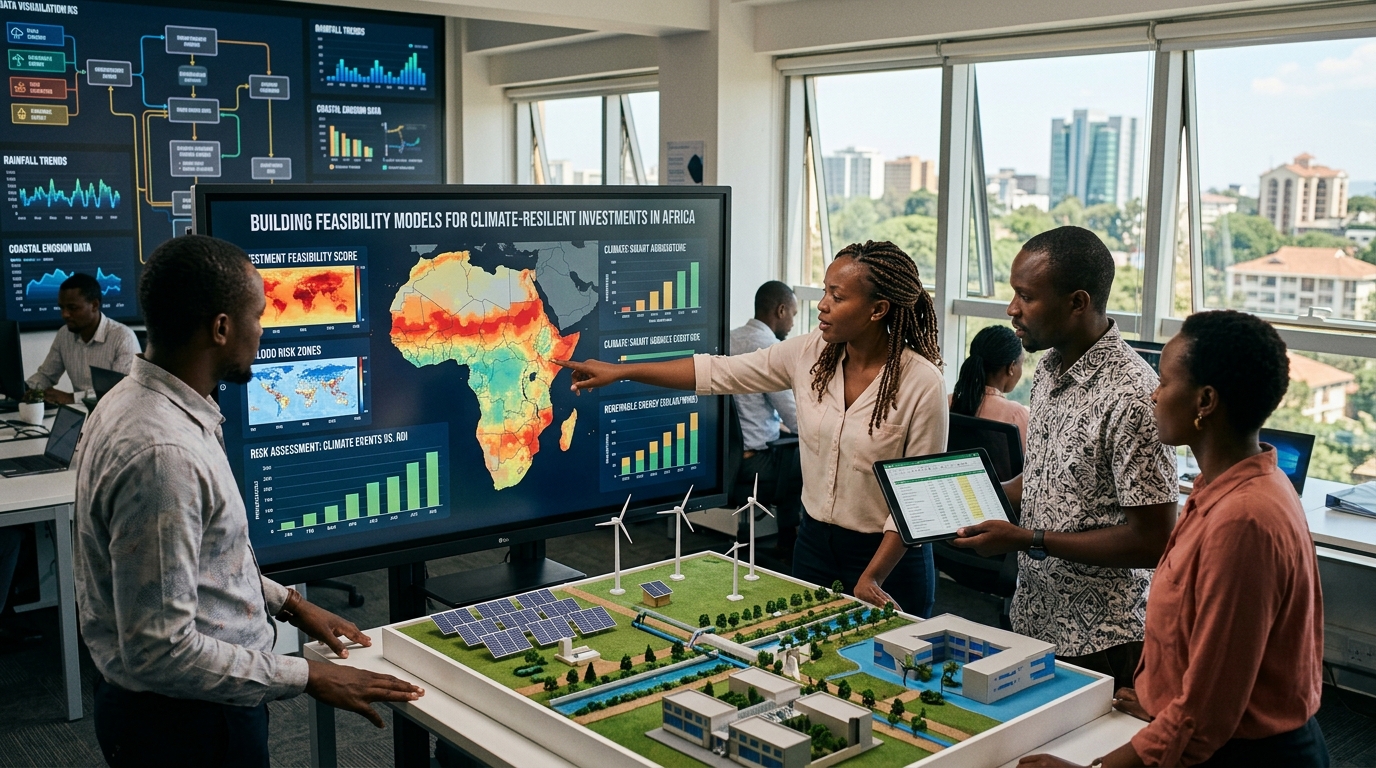
Building Feasibility Models for Climate-Resilient Investments in Africa
Africa is at a turning point.
Climate change is hitting hard. Droughts. Floods. Extreme weather. At the same time, the continent needs massive economic development.
Investors face a tough question. How do you build projects that survive climate shocks and still make money?
The answer lies in feasibility models done right.
Let me show you how to build models that work for African conditions.

Understanding Climate-Resilient Investments: A Clear Definition
Before we go further, let us define what we are talking about.
Here is the simple version.
Climate-resilient investments are projects that can withstand climate shocks. They adapt to changing conditions. They recover quickly when things go wrong.
And they still deliver returns.
In Africa, this means investing in projects that protect communities from extreme weather, water scarcity, and agricultural disruptions. While generating real profits.
The Current State of Climate Investment in Africa
Let me share the latest numbers.
Funding momentum. The African Development Bank’s Climate Action Window has mobilised over 13billioninclimatefinance.Theyaimtoreach25 billion by 2025.
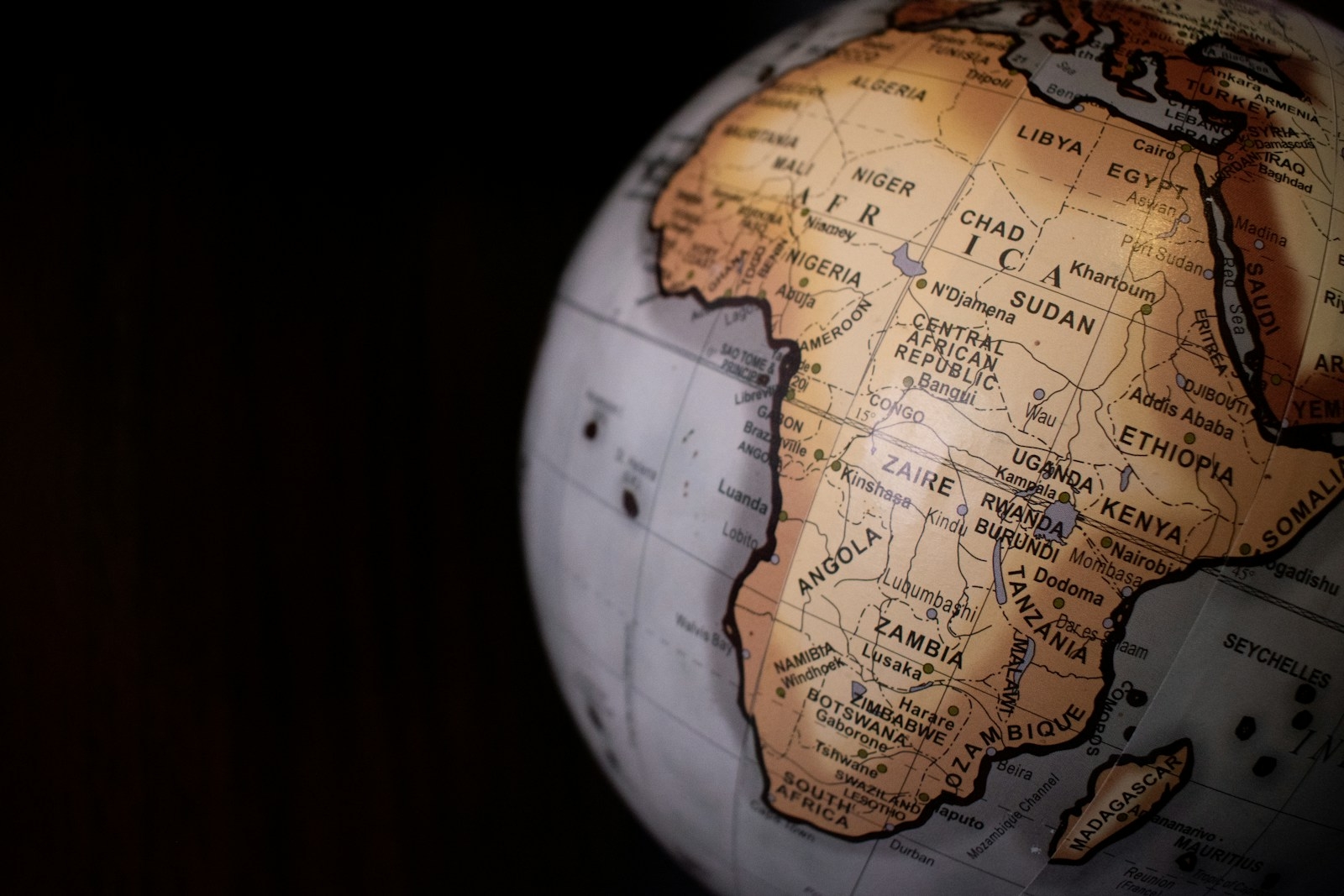
Green bond market expansion. The African green bond market reached $8.2 billion in issuances in 2024. That is a 45% increase from 2023. Kenya, Nigeria, and South Africa are leading the way. [3]
Technology integration. Artificial intelligence and satellite monitoring are now being used to assess climate risks and monitor project performance. Feasibility assessments are more accurate than ever.
Regional initiatives. The African Union’s Agenda 2063 has integrated climate resilience as a core pillar. Member states have committed to allocating at least 10% of their national budgets to climate adaptation and mitigation projects by 2025.
Key Components of Feasibility Models
Building a good feasibility model requires looking at several interconnected factors.
1. Climate Risk Assessment
Start with comprehensive climate risk mapping.
Physical risks. Evaluate exposure to extreme weather events, sea-level rise, temperature increases, and precipitation changes. Use historical data and climate projections.
Transition risks. Analyse policy changes, carbon pricing mechanisms, and shifts in market preferences toward sustainable solutions.
Chronic vs acute risks. Distinguish between long-term gradual changes like desertification and sudden climate events like cyclones.
Advanced models now incorporate scenarios aligned with the Intergovernmental Panel on Climate Change (IPCC) projections. They examine outcomes under various warming pathways.
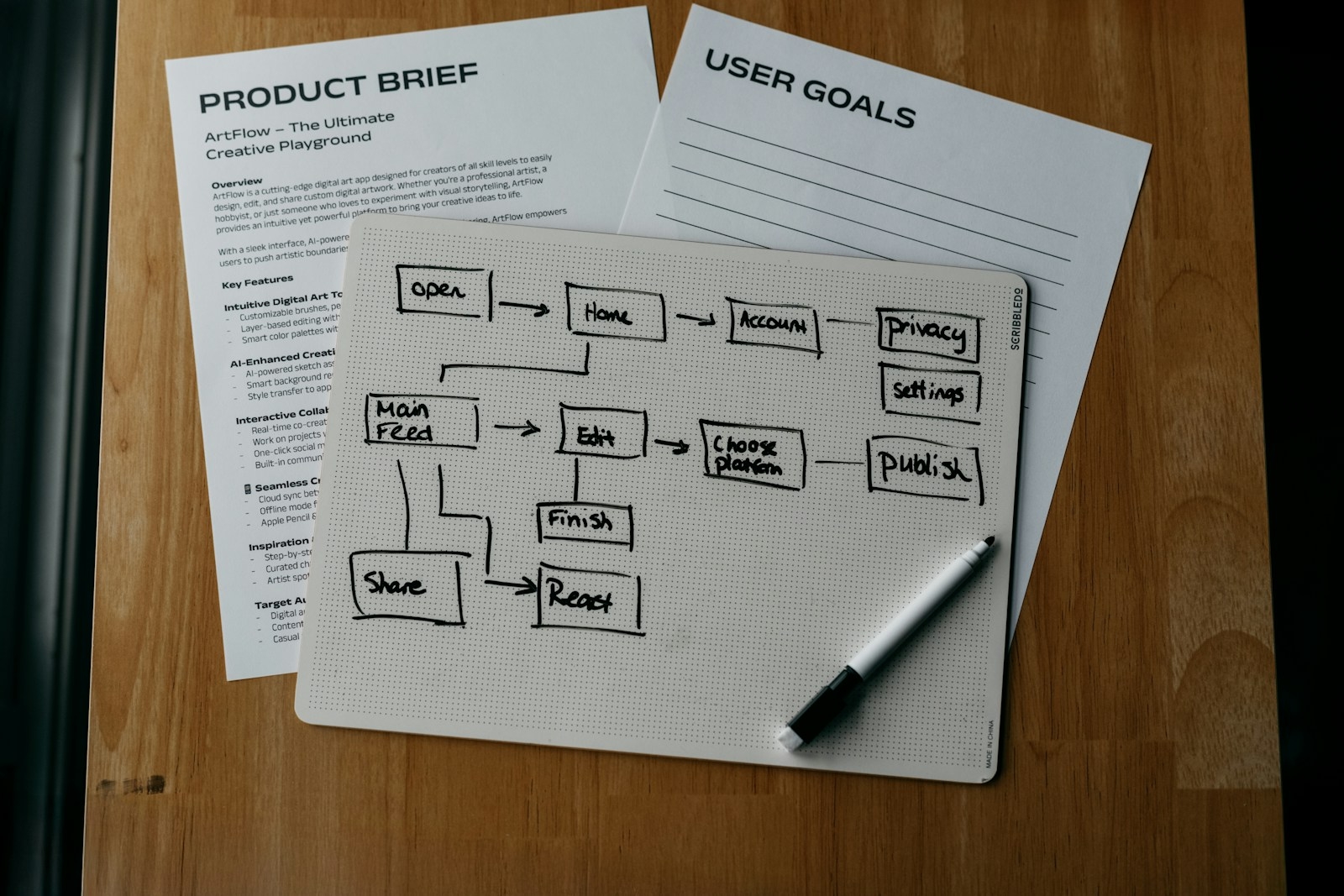
2. Economic Viability Analysis
This section asks whether the investment makes financial sense.
Cost-benefit analysis. Compare initial capital requirements against expected returns. Include avoided climate damages.
Internal Rate of Return (IRR). Calculate project profitability while factoring in climate-related uncertainties.
Sensitivity analysis. Test how changes in key variables like rainfall patterns, energy costs, or carbon prices affect project outcomes.
Climate premium calculations. Quantify the additional costs of building climate resilience into projects versus traditional approaches.
3. Social Impact Evaluation
Successful climate investments must deliver tangible benefits to local communities.
Job creation. Estimate direct and indirect employment opportunities, particularly in rural and vulnerable communities.
Community resilience. Measure improvements in adaptive capacity, food security, and access to essential services.
Gender considerations. Ensure projects address the disproportionate impact of climate change on women. Promote gender equity.
Health co-benefits. Assess improvements in air quality, water safety, and disease prevention.
4. Environmental Sustainability Metrics
Beyond climate resilience, projects must demonstrate broader environmental responsibility.
Carbon footprint. Measure greenhouse gas emissions throughout the project lifecycle.
Biodiversity impact. Assess effects on local ecosystems and endangered species.
Water stewardship. Evaluate water consumption, quality impacts, and conservation measures.
Circular economy principles. Incorporate waste reduction, recycling, and resource efficiency.
Sector-Specific Applications
Different sectors need different approaches.
Renewable Energy
Africa’s renewable energy potential is vast. Solar. Wind. Hydro. Geothermal.
Solar projects. Feasibility models must account for irradiation levels, land availability, grid infrastructure, and energy storage solutions. Recent projects in Morocco, Egypt, and South Africa have demonstrated IRRs exceeding 12% with government support.
Wind energy. Coastal and highland regions offer excellent wind resources. Models incorporate wind speed variability, turbine efficiency curves, and transmission costs. Kenya’s Lake Turkana Wind Power Project serves as a benchmark.
Mini-grids. For rural electrification, hybrid renewable mini-grids present compelling opportunities. Feasibility models balance capital costs, operating expenses, tariff structures, and community payment capacity.
Sustainable Agriculture
Agriculture employs over 60% of Africa’s workforce. It is highly vulnerable to climate change.
Climate-smart farming. Models evaluate drought-resistant crop varieties, precision irrigation systems, and agroforestry approaches. Key considerations include soil quality, water availability, market access, and extension services.
Agri-processing. Value addition through processing reduces post-harvest losses and creates employment. Feasibility assessments examine raw material supply chains, energy requirements, market demand, and export potential.
Livestock management. Climate-resilient livestock projects incorporate improved breeds, fodder systems, veterinary services, and insurance schemes against climate-related losses.
Water Infrastructure
Water security underpins all development efforts.
Irrigation systems. Drip and sprinkler irrigation projects require analysis of water source sustainability, energy costs, crop water requirements, and farmer training needs.
Water harvesting. Rainwater collection and storage systems present low-cost resilience solutions. Models assess catchment area, storage capacity, community organisation, and maintenance capabilities.
Desalination. For coastal areas facing water stress, desalination becomes viable. Feasibility studies examine energy sources (preferably renewable), brine disposal, production costs, and distribution infrastructure.
Green Buildings and Infrastructure
Urban development must prioritise climate resilience from the design phase.
Energy-efficient buildings. Models evaluate additional costs of green building standards against energy savings, occupant comfort, and higher property values. LEED and EDGE certifications provide frameworks for assessment.
Resilient transport. Road and rail projects must consider flooding risks, heat stress on materials, and disruption scenarios. Elevated designs, improved drainage, and heat-resistant materials factor into cost calculations.
Urban green spaces. Parks, green roofs, and urban forests provide cooling effects, flood mitigation, and air quality improvements. Feasibility models quantify these ecosystem services and associated property value increases.
Risk Mitigation Strategies
Even well-planned projects face uncertainties. Manage them proactively.
Political and Regulatory Risks
Currency hedging. Foreign exchange volatility can undermine project returns. Incorporate hedging strategies or seek local currency financing where possible.
Policy stability. Engage with governments to secure long-term policy commitments, feed-in tariffs, or power purchase agreements.
Political risk insurance. Instruments from organisations like the African Trade Insurance Agency (ATI) or Multilateral Investment Guarantee Agency (MIGA) can protect against expropriation, political violence, and contract breaches.
Technical and Operational Risks
Technology selection. Choose proven, appropriate technologies over cutting-edge but unproven solutions.
Local capacity building. Invest in training and skills development. Ensure projects can be maintained and operated effectively after completion.
Supply chain resilience. Diversify suppliers and maintain strategic inventories to prevent disruptions from climate events.
Financial Risks
Blended finance structures. Combine concessional funding, grants, and commercial capital. This improves project viability and reduces individual investor risk.
Performance-based payments. Structure payments tied to verified outcomes like carbon credits or energy production. This aligns incentives and shares risks appropriately.
Insurance products. Parametric insurance, crop insurance, and project insurance transfer specific risks to specialised entities.
Case Studies: Successful Climate-Resilient Investments
Real examples show what is possible.
Case Study 1: Ethiopia’s Grand Renaissance Dam
Project overview. Primarily a hydropower project. Additional climate resilience features were incorporated following comprehensive feasibility studies.
Feasibility approach. Models examined multiple climate scenarios, including reduced rainfall and increased evaporation rates. This led to design modifications increasing reservoir capacity and incorporating variable turbine technology.

Outcomes. The enhanced design provides flexibility to generate power even during drought years. It protects the $5 billion investment and ensures energy security for Ethiopia and neighbouring countries.
Lessons learned. Incorporating climate variability from the design phase increased upfront costs by 8% but significantly improved long-term project viability.
Case Study 2: Kenya’s Climate-Smart Agriculture Project
Project overview. A $250 million initiative supporting 500,000 smallholder farmers to adopt climate-resilient agricultural practices.
Feasibility approach. Models combined climate projections, soil analysis, market assessments, and social surveys to identify optimal interventions for different regions.
Outcomes. Participating farmers reported average yield increases of 30% and income improvements of 40%. The project’s success attracted an additional $180 million in follow-on funding.
Lessons learned. Participatory design involving farmers in the feasibility phase ensured interventions matched local needs and increased adoption rates.
Case Study 3: Morocco’s Noor Ouarzazate Solar Complex
Project overview. One of the world’s largest concentrated solar power plants, generating 580 MW with thermal storage capability.
Feasibility approach. Comprehensive models assessed solar irradiation, water availability for cooling, grid integration capacity, and financial structuring with international partners.
Outcomes. The facility provides clean power to 1.3 million Moroccan homes and stores energy for use after sunset. It has reduced carbon emissions by 760,000 tons annually.
Lessons learned. Patient capital from development finance institutions was crucial during the construction phase. Energy storage capabilities significantly improved the project’s value proposition. [8]
Tools and Methodologies
The right tools make a big difference.
Geographic Information Systems (GIS). Platforms like ArcGIS and QGIS integrate spatial data for site selection, risk mapping, and resource assessment. Visualise climate hazards, population density, existing infrastructure, and environmental sensitivities.
Climate modeling software. Tools like the World Bank’s Climate Change Knowledge Portal provide localised climate projections essential for scenario planning. [9]
Financial modeling platforms. Specialised software like RETScreen (for renewable energy) helps investors calculate NPV, IRR, payback periods, and conduct sensitivity analyses.
Stakeholder engagement tools. Digital platforms like KoboToolbox and SurveyCTO facilitate data collection in remote areas. Community feedback and participatory mapping ensure local knowledge informs feasibility assessments.
Satellite and remote sensing. Earth observation data from Sentinel, Landsat, and commercial providers enable monitoring of land use changes, vegetation health, water resources, and project implementation progress.
The Role of International Partnerships
Climate-resilient investment in Africa cannot succeed in isolation.
Development Finance Institutions (DFIs). Organisations like the African Development Bank, International Finance Corporation, and European Investment Bank provide concessional financing, technical assistance, and risk mitigation instruments.

Private sector collaboration. Partnerships between local enterprises and international companies bring capital, technology, and expertise while ensuring projects remain contextually appropriate.
Knowledge sharing networks. Platforms such as the Climate Investment Funds and Global Environment Facility facilitate exchange of best practices, standardised methodologies, and lessons learned.
South-South cooperation. African nations can learn from each other’s experiences. Countries like Rwanda and Mauritius offer models for policy frameworks. Regional economic communities facilitate cross-border renewable energy projects.
Challenges and Opportunities Ahead
Let me be honest about the challenges.
Challenges
Data gaps. Many African regions lack comprehensive climate data, hydrological records, and soil information. This complicates accurate feasibility assessments. Investments in weather stations and monitoring infrastructure are urgently needed.
Capacity constraints. Shortage of skilled professionals in climate risk assessment, financial modeling, and project management limits the pace of project development. Academic institutions must scale up relevant curricula.
Financing gaps. Despite growing interest, the 30−50billionannualclimatefinanceflowingtoAfricafallsfarshortoftheestimated250 billion needed. Innovative financing mechanisms are essential.
Policy inconsistencies. Varying regulations across countries and frequent policy changes create uncertainty. Regional harmonisation and long-term policy commitments would improve investor confidence.
Opportunities
Untapped potential. Africa possesses 60% of the world’s best solar resources. Vast wind potential. Significant geothermal capacity. Only a fraction has been developed.
Youth dividend. With the world’s youngest population, Africa can train a generation of climate-conscious professionals, entrepreneurs, and leaders who will drive the green transition.
Leapfrogging technologies. Without legacy infrastructure, Africa can adopt the latest clean technologies, bypassing the fossil fuel-intensive development paths of industrialised nations.
Carbon markets. Growing global carbon credit demand creates revenue streams for African conservation, reforestation, and renewable energy projects. Well-structured initiatives can attract premium pricing. [10]
Recommendations for Investors and Stakeholders

Here is practical guidance.
For Investors
Prioritise due diligence. Invest in comprehensive feasibility studies rather than rushing projects. The upfront cost is minimal compared to potential losses.
Embrace blended finance. Combine commercial capital with concessional funding and grants. This improves project economics while maintaining acceptable returns.
Build local partnerships. Work with local firms, governments, and communities from project inception. Local knowledge and buy-in are critical.
Think long-term. Climate-resilient projects often have longer payback periods but provide more stable, sustainable returns. Patient capital will be rewarded.
Monitor and adapt. Climate conditions and technologies evolve. Build flexibility into projects. Maintain active management throughout the investment lifecycle.
For Governments
Strengthen enabling environments. Clear regulations, streamlined permitting processes, and long-term policy commitments reduce investor risk and attract capital.
Invest in data infrastructure. National climate monitoring systems, open data platforms, and research institutions improve feasibility assessments and decision-making.
Develop bankable project pipelines. Support project preparation facilities that bring concepts to investment-ready status with completed feasibility studies.
Incentivise private investment. Tax incentives, feed-in tariffs, and government guarantees can tip marginal projects into viability.
Coordinate regionally. Climate challenges do not respect borders. Regional approaches to renewable energy grids, water management, and climate adaptation multiply effectiveness.
For Development Partners
Provide technical assistance. Support capacity building in feasibility modeling, financial structuring, and climate risk assessment.
De-risk early-stage projects. First-loss capital, guarantees, and concessional lending make pioneering projects viable and demonstrate approaches for replication.
Support innovation. Fund pilot projects testing new technologies, business models, and financing structures that could scale if successful.
Facilitate knowledge exchange. Create platforms for sharing lessons learned, standardised methodologies, and best practices across countries and sectors.
The Bottom Line
Building feasibility models for climate-resilient investments in Africa is not just a technical exercise. It is a fundamental reimagining of how we approach development on a continent facing unprecedented climate challenges.
These models serve as the critical bridge between ambition and implementation. They transform aspirational climate goals into concrete, bankable projects.
The tools, methodologies, and frameworks we have discussed are already enabling successful projects across Africa. From Morocco’s solar complexes to Kenya’s climate-smart agriculture initiatives, well-designed feasibility models are proving that climate resilience and economic viability can coexist.
As we look toward 2025 and beyond, the imperative for climate-resilient investment will only intensify. The question is not whether Africa will transition to a more sustainable development pathway. It is how quickly and equitably this transition will occur.
Robust feasibility models, grounded in solid data, informed by local knowledge, and supported by international partnerships, will determine the pace and success of this transformation.
The opportunity before us is immense. Africa’s young population, abundant renewable resources, and growing investor interest create a unique moment for transformative change.
Related services from Stonehill Research
-
E-commerce Market Entry and Expansion Strategy – Navigating Nigeria’s digital retail landscape.
-
Consumer Trust and Payment Behaviour Research – Understanding and addressing trust barriers.
-
Competitor Analysis and Market Positioning – Identifying competitive advantages in e-commerce.
Recommended reading from the Stonehill Research blog
-
Nigeria E-commerce Outlook 2026 – Forward-looking analysis and projections.
-
Building Trust in Nigerian E-commerce: A Merchant’s Guide – Practical strategies for trust-building.
-
Logistics Innovation for Nigerian E-commerce – Operational solutions for delivery challenges.
Call To Action
About Stonehill Research
Stonehill Research specialises in developing comprehensive feasibility studies and investment models for climate-resilient projects across Africa.
Our team of experts combines deep local knowledge with international best practices. We help investors, governments, and development partners make informed decisions that drive sustainable development.
Our specialised services include:
-
Climate risk assessment and scenario modeling
-
Financial feasibility analysis for green investments
-
Environmental and social impact evaluation
-
Project preparation and structuring
-
Capacity building and training
Are you ready to invest in Africa’s climate-resilient future?
Whether you are an investor seeking bankable climate projects, a government developing sustainable infrastructure, or a development partner supporting Africa’s green transition, Stonehill Research can help you navigate the complexities.
Contact us today:
📧 Email: info@stonehillresearch.com
📞 Phone: +234 802 320 0801
📍 Office: 5, Ishola Bello Close, Off Iyalla Street, Alausa, Ikeja, Lagos, Nigeria
Schedule a consultation to explore how robust feasibility modeling can transform your climate investment ideas into successful, impactful projects that benefit both your portfolio and Africa’s communities.
Together, we can build a more resilient, sustainable, and prosperous Africa.
Reference Links
[1] United Nations Environment Programme (UNEP) – Definition of Climate Resilience
https://www.unep.org/explore-topics/climate-action/what-we-do/climate-adaptation/climate-resilience
[2] African Development Bank – Climate Finance Report 2024
[VERIFY: afdb.org – Climate Action Window and finance mobilisation data]
[3] International Energy Agency – Africa Energy Outlook 2024
https://www.iea.org/reports/africa-energy-outlook-2024
[4] African Union – Agenda 2063 Climate Resilience Pillar
:au.int – Agenda 2063 implementation status
[5] Intergovernmental Panel on Climate Change (IPCC) – Climate Change 2023 Synthesis Report
https://www.ipcc.ch/report/ar6/syr/
[6] Lake Turkana Wind Power Project – Kenya Benchmark Case
ltwp.co.ke – Project performance data
[7] Multilateral Investment Guarantee Agency (MIGA) – Political Risk Insurance
https://www.miga.org/products-services/political-risk-insurance
[8] Noor Ouarzazate Solar Complex – Morocco Case Study
masen.ma – Noor project performance data
[9] World Bank – Climate Change Knowledge Portal Africa
https://climateknowledgeportal.worldbank.org
[10] World Bank – Carbon Markets in Africa
worldbank.org – Africa carbon credit market development
There are no comments