

Urbanisation 2030: The Next 10 Nigerian Cities Investors Should Watch
Nigeria is urbanising faster than almost anywhere else on earth.
By 2025, 55% of Nigerians already live in urban areas, up from 50% in 2020. Rural to urban migration and natural population growth are driving this shift. By 2050, projections show urbanization reaching 79.9%.
This transformation is not limited to Lagos and Abuja. Across the nation, secondary and tertiary cities are emerging as powerful economic centres. They offer lower entry costs, higher growth potential, and diversified opportunities.
Let me walk you through the ten Nigerian cities that represent the most compelling investment opportunities through 2030.
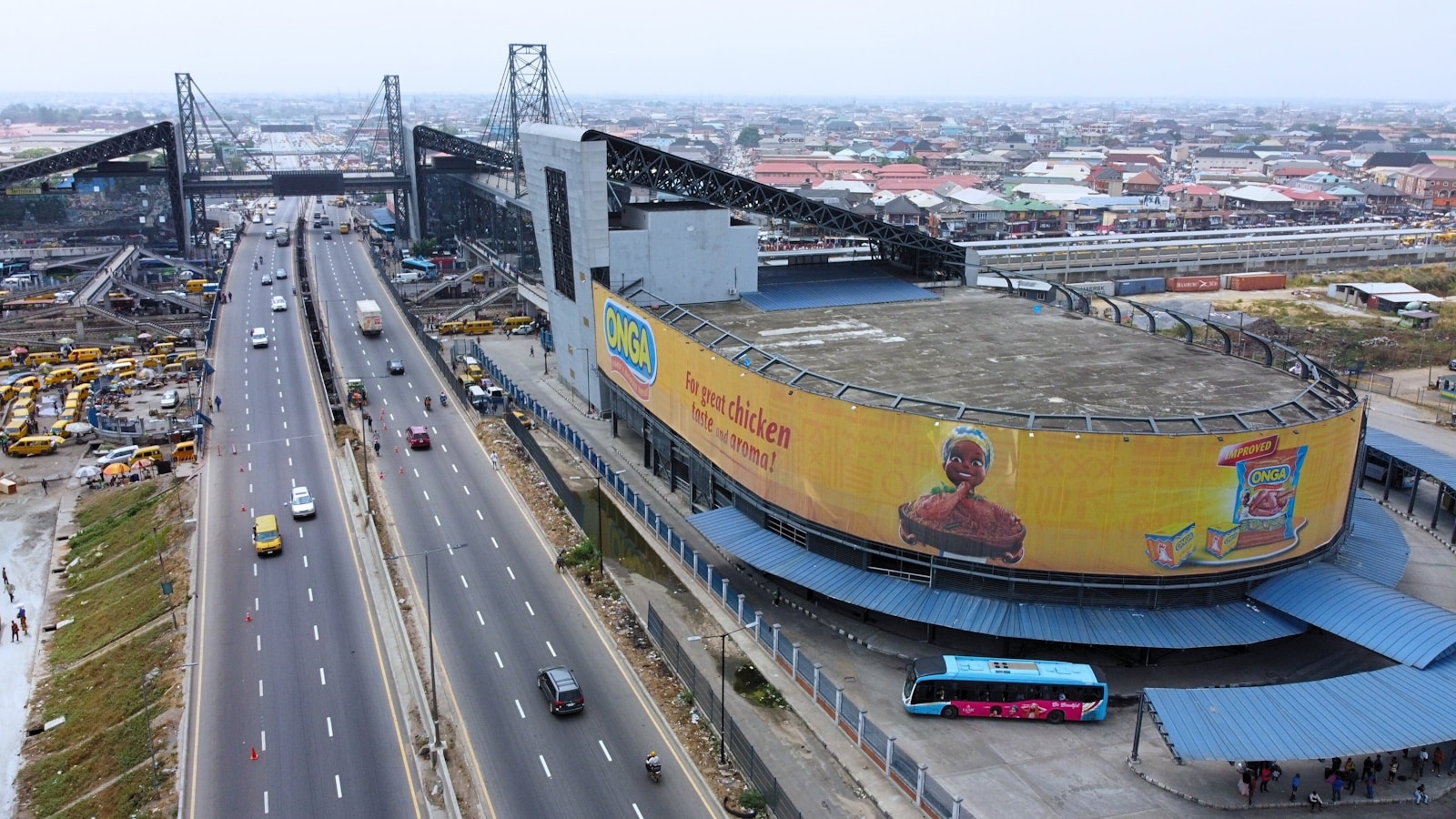
Understanding urbanisation: a critical definition
Urbanisation is the process by which large numbers of people become permanently concentrated in relatively small areas, forming cities. More specifically, it is the population shift from rural to urban areas, the corresponding decrease in the proportion of people living in rural areas, and how societies adapt to this change.
In practical terms, urbanisation encompasses not just population concentration but also economic transformation, infrastructure development, and the creation of urban amenities. This drives demand for housing, commercial spaces, transportation networks, healthcare facilities, educational institutions, and consumer goods.
Nigeria’s urbanisation landscape: current trends and projections
The scale of Nigeria’s urban transformation cannot be overstated.
Nigeria’s urban population has been experiencing a rapid rise since 2010. It is expected to grow from 60 million to almost 300 million inhabitants in Nigerian cities. This represents a five fold increase within four decades.

To keep up with this steady growth, 700,000 housing units must be built every year. Cities like Lagos, Ibadan, and Kano are experiencing an annual increase of 20% in housing demand.
Nigeria faces a housing deficit of 20 million units as of 2024. This is expected to worsen without significant investment in urban infrastructure.
Urban population growth in Nigeria was reported at 3.45% annually in 2024. Cities offer employment opportunities, better access to education and healthcare, and improved quality of life.
The next 10 Nigerian cities investors should watch
1. Ibadan: the educational and industrial hub
Ibadan is Nigeria’s third largest city. It is forecasted to have a population of 8.7 million by 2050, offering an exceptional combination of affordability and growth potential.
Key opportunities.
Real estate in neighbourhoods like Bodija, Challenge, and Oluyole Estate are seeing increased interest from families and businesses. Properties are significantly more affordable than Lagos.
Ibadan’s position as a transport hub between Lagos and northern Nigeria boosts its appeal for logistics and warehousing investments. The city is home to the prestigious University of Ibadan and numerous tertiary institutions, creating consistent demand for student housing and educational services.
Investment advantage. Ibadan is emerging as a promising investment hub due to improving infrastructure and affordability. It presents lower entry barriers and substantial long term returns.
2. Uyo: the oil capital with urban planning excellence
Uyo is forecasted to host 7.1 million residents by 2050. This is driven by government investment in infrastructure and its strategic position in the oil rich Akwa Ibom State.
Key opportunities.
Uyo has seen tremendous growth in the last two decades thanks to government investments in infrastructure. New developments, well planned roads, and bridges are spurring real estate growth.
Government investments in tourism infrastructure create opportunities for hotel and resort development. Uyo is known for its modern infrastructure, clean environment, and thriving hospitality industry.
Investment advantage. Uyo’s reputation as one of Nigeria’s cleanest and best planned cities attracts professionals and retirees seeking quality living environments.
3. Enugu: the coal city’s economic renaissance
Enugu, known as the Coal City, is experiencing significant economic transformation beyond its historical mining industry.
Key opportunities.
Areas like Independence Layout, New GRA, and Thinkers Corner are experiencing steady growth. Modern residential estates, shopping malls, and mixed use developments are emerging.
Enugu is growing as a secondary tech hub with startup incubators and technology parks. Its growing population and economic diversification make it one of the top locations for rental property in Nigeria.
Investment advantage. Relatively low entry costs compared to Lagos and Abuja make Enugu an attractive option for first time investors.
4. Abeokuta: Lagos’s strategic satellite city
Abeokuta is emerging as a promising investment hub due to improving infrastructure and affordability. It benefits significantly from its proximity to Lagos.
Key opportunities.
Abeokuta is a growing industrial centre with a focus on manufacturing and agriculture. Its proximity to Lagos and a thriving industrial sector make it a promising location for investment.
Abeokuta is benefiting from its proximity to Lagos and ongoing industrial developments in the region. It is ideal for professionals working in Lagos who seek more affordable housing options.
Investment advantage. Lower property prices than Lagos with excellent connectivity via major highways.
5. Owerri: the hospitality and tourism powerhouse
Owerri, the capital of Imo State, is emerging as a major tourist and hospitality destination in southeastern Nigeria.
Key opportunities.
Owerri has developed into a buzzing city due to its increasing attraction as a tourist destination. Many areas are expanding rapidly, driven by hotels, resorts, and commercial centres.
The city has a high demand for hotels, resorts, and serviced apartments. This makes it ideal for commercial real estate investments.
Owerri’s affordability and proximity to major cities like Port Harcourt and Enugu make it a strategic location for both residential and commercial investments.
Investment advantage. Affordable land prices and strong rental demand are key drivers of real estate in this beautiful city.
6. Asaba: the strategic bridge to eastern markets
Asaba, capital of Delta State, occupies a strategic position near Onitsha, one of West Africa’s largest commercial centres.
Key opportunities.
Asaba is rapidly urbanizing with growing demand for residential and commercial properties. It is benefiting from significant infrastructural development.
Its role as a regional transport hub and ongoing road projects are attracting businesses and residents. Areas like Okpanam Road and DBS Road are emerging as hotspots for new developments.
Investment advantage. Proximity to Onitsha and relatively low property prices make Asaba an attractive choice for middle class homebuyers and investors.
7. Kano: northern Nigeria’s commercial giant
Kano is forecasted to host 12.1 million people by 2050. It maintains its position as northern Nigeria’s dominant commercial centre.
A trend of Nigeria’s population growth and projection by 2050. https://intelpoint.co/blogs/nigeria-population-growth/
Key opportunities.
Kano’s position as the commercial hub of northern Nigeria creates demand for warehouses, retail spaces, and office buildings. Growing industrial zones attract manufacturing investments. Massive housing demand is driven by population growth and urbanisation.
Investment advantage. Kano serves as the gateway to West African markets through northern Nigeria, creating unique cross border trade opportunities.
8. Port Harcourt: the oil and gas capital
As Nigeria’s oil and gas capital, Port Harcourt maintains robust economic activity and attracts high earning professionals.
Key opportunities.
Real estate, especially around areas like Trans Amadi, Peter Odili Road, and Old GRA, is booming due to the consistent flow of expatriates and professionals in the oil sector. There is strong demand for office spaces, serviced apartments, and hospitality facilities. Opportunities exist in logistics, manufacturing, and oil services support industries.
Investment advantage. High purchasing power among residents creates a premium real estate market with strong rental yields.
9. Warri: the affordable oil city entry point
Warri offers exposure to the oil rich Delta region at significantly lower entry costs than Port Harcourt.
Key opportunities.
Areas like Ekpan and Effurun are seeing increased demand. This makes Warri a great choice for budget friendly investments.
Warri’s proximity to Port Harcourt and its status as an industrial hub ensure steady demand for both residential and commercial properties. There is growing demand for warehousing and logistics facilities.
Investment advantage. Warri is perfect for investors seeking affordable entry points into the Nigerian real estate market.
10. Aba: the manufacturing and entrepreneurial hub
Aba’s reputation as a manufacturing centre and its vibrant entrepreneurial ecosystem create unique investment opportunities.
Key opportunities.
Aba holds a reputation as Nigeria’s industrial backbone. Opportunities range from manufacturing to real estate.
Investment opportunities in warehousing and factory spaces are significant. There is strong demand from traders and manufacturers for commercial spaces.
Investment advantage. Lower competition compared to major cities, with strong local purchasing power from successful entrepreneurs and traders.
Nigeria Property Zone. Top 10 Fast-Developing Cities in Nigeria for Real Estate Investment. https://nigeriapropertyzone.com.ng
Investment strategies for Nigeria’s emerging cities
Diversification across city tiers.
Second-tier cities present lower entry barriers and substantial long-term returns. Consider allocating investments across multiple cities rather than concentrating in a single location. This mitigates location-specific risks while capturing growth across Nigeria’s urban network.
Focus on infrastructure corridors.
Cities along major transportation routes and near infrastructure projects offer enhanced growth potential. Look for properties near planned rail lines, major highways, airports, and seaports. The Lekki Deep Sea Port and Dangote Refinery developments are driving growth in surrounding areas.
Target growing demographics.
Young people are taking advantage of remote work to relocate to calmer cities where they enjoy a lower cost of living compared to Lagos and Abuja. Properties targeting young professionals, students, and middle income families represent particularly strong opportunities.
Consider mixed use developments.
Cities experiencing rapid urbanisation need comprehensive solutions. Mixed use developments combining residential, commercial, and retail spaces address multiple market demands simultaneously while maximising land utilisation and returns.
Partner with local expertise.
Each city has unique regulatory environments, cultural considerations, and market dynamics. Understand property laws and ensure proper documentation. Working with experienced local partners reduces risks and accelerates market entry.
Investment risks and mitigation strategies
Regulatory and legal challenges.
Nigeria’s property and business regulations vary by state and can be complex. Conduct thorough due diligence on all properties and business opportunities. Work with reputable legal counsel experienced in Nigerian real estate law. Verify land titles through proper channels before purchase.
Infrastructure gaps.
Many emerging cities still face infrastructure challenges including irregular power supply, inadequate road networks, and limited water supply. Factor infrastructure costs into investment calculations. Consider properties in areas with better infrastructure access. Plan for backup power systems in commercial and residential developments.
Market volatility.
Despite challenges like inflationary pressures and currency fluctuations, Nigeria’s real estate sector shows resilience. Maintain dollar denominated investments where possible. Focus on income generating assets rather than purely speculative investments. Plan for longer investment horizons to weather short term volatility.
Security considerations.
Security situations vary across Nigerian cities. Conduct thorough security assessments before investing. Choose cities with relatively stable security environments. Invest in adequate security infrastructure for properties.
Market trends shaping investment opportunities
Affordable housing demand.
Affordable housing in suburban areas is in high demand. This creates opportunities for developers who can deliver quality housing at accessible price points. Government incentives for affordable housing development further enhance this sector’s attractiveness.
Technology and digital infrastructure.
Nigeria’s tech startup scene is booming, especially in fintech, e-commerce, and healthtech. Lagos has been dubbed the Silicon Valley of Africa. This growth is spreading to secondary cities, creating demand for technology parks and innovation hubs, co working spaces for remote workers and startups, residential properties with reliable internet infrastructure, and commercial spaces suitable for tech companies.
Sustainable development.
Opportunities are arising in green building initiatives as environmental awareness grows. Investors focusing on sustainable development can capture premium segments while contributing to long term urban sustainability.
Short let and hospitality markets.
In 2024, the Lagos short let market’s total estimated revenue was ₦264.3 billion. This demonstrates significant opportunity in hospitality real estate. This trend is expanding to secondary cities as domestic tourism grows.
Top 10 Investment Opportunities in Nigeria to Watch in 2025. https://siliconafrica.org/top-investment-opportunities-in-nigeria/
Practical steps for getting started
Phase one: Research and planning (months 1 to 3).
Identify target cities based on investment goals and risk tolerance. Research local market conditions, property prices, and rental yields. Develop relationships with local real estate professionals and legal advisors. Establish investment budget and financing strategy. Visit target cities to assess opportunities firsthand.
Phase two: Due diligence (months 3 to 6).
Conduct thorough property inspections and title verification. Analyse infrastructure development plans for target areas. Assess competitive landscape and demand drivers. Review legal and regulatory requirements. Develop detailed financial projections.
Phase three: Acquisition and development (months 6 to 12).
Execute property acquisitions or development partnerships. Secure necessary permits and approvals. Implement development or renovation plans. Establish property management systems. Launch marketing and leasing strategies.
Phase four: Optimisation and scaling (year 2 and beyond).
Monitor performance against projections. Optimise operations based on market feedback. Consider additional acquisitions in successful markets. Expand to additional cities within your portfolio strategy. Continuously adapt to evolving market conditions.
Where to start tomorrow
Do not try to invest in all ten cities at once.
Start with one or two cities that match your investment goals and risk tolerance.
Visit the city. Walk the neighbourhoods. Talk to local real estate agents.
Build your local network. Find a trusted lawyer, agent, and property manager.
Start small. Test the market with one property before scaling.
Think long term. Urbanisation is a decades long trend. Be patient.
Final word
Nigeria’s urbanisation represents one of the most significant investment opportunities of our generation.
Lagos and Abuja will continue to dominate headlines. But the extraordinary growth potential lies in the ten cities profiled in this analysis.
By 2050, 79.9% of Nigerians will live in urban areas, up from 56.2% in 2025. This transformation will create trillions of naira in economic value across real estate, infrastructure, retail, hospitality, and services.
Early stage investors who position themselves strategically in emerging cities stand to capture outsized returns while contributing to Nigeria’s development.
The window of opportunity is narrowing. Property prices in Ibadan, Uyo, Enugu, and other emerging cities are rising as development accelerates. The time to act is now.
CALL TO ACTION
The Future of Nigerian Urbanisation Is Being Built Right Now
The opportunities are extraordinary for investors with vision, strategy, and the right partners.
Our Services Include
Comprehensive market analysis for specific cities. Property identification and due diligence services. Investment structuring and partnership opportunities. Legal and regulatory guidance. Portfolio management and optimisation.
Why Choose Stonehill Research?
Deep Local Knowledge. We understand the unique dynamics of each emerging city. Not just the data, but the on the ground realities.
Proven Network. Our relationships with local legal advisors, real estate agents, and property managers accelerate your market entry.
Data Driven Approach. We use demographic trends, infrastructure development plans, and economic indicators to identify the best opportunities.
Long Term Partnership. We are not just transactional advisors. We build lasting relationships with investors committed to Nigeria’s urban future.
Contact Us Today
Don’t miss Nigeria’s urban revolution. Position your portfolio for the transformative growth of Nigeria’s next generation of cities.
📧 Email: info@stonehillresearch.com
📞 Phone: +234 802 320 0801
📍 Address: 5, Ishola Bello Close, Off Iyalla Street, Alausa, Ikeja, Lagos
Schedule a Consultation. Let us help you capitalise on Nigeria’s urban transformation.
Stonehill Research – Your Partner in Nigerian Urban Investment
REFERENCES
African Development Bank (AfDB). Africa’s Urbanisation Dynamics 2025: Planning for Africa’s urban expansion. https://www.thecable.ng
Britannica. Urbanization. https://www.britannica.com/topic/urbanization
GIZ. Urban Development and Urbanization in Nigeria. https://www.urbanet.info/urbanization-in-nigeria-infographics/
Intelpoint. A trend of Nigeria’s population growth and projection by 2050. https://intelpoint.co/blogs/nigeria-population-growth/
Nigeria Housing Market. 2025 Nigeria Real Estate Prediction. https://www.nigeriahousingmarket.com/2025-prediction/nigeria
Nigeria Property Zone. Top 10 Fast-Developing Cities in Nigeria for Real Estate Investment. https://nigeriapropertyzone.com.ng
Silicon Africa. Top 10 Investment Opportunities in Nigeria to Watch in 2025. https://siliconafrica.org/top-investment-opportunities-in-nigeria/
UrbanEase. Top 15 Cities For Real Estate Investment In Nigeria 2025. https://urbanease.com.ng/top-cities-for-real-estate-investment-in-nigeria/
World Bank. Nigeria: Urban Population Growth (annual %). https://tradingeconomics.com/nigeria/urban-population-growth-annual-percent-wb-data.html
There are no comments