
Accounting Software vs. Accountants: What Nigerian SMEs Actually Need
Let me ask you something straight.
Are you a small business owner in Lagos who stays up at night worrying about your books? Or maybe you are in Abuja, juggling invoices and wondering if you are paying the right tax.
The debate between accounting software and hiring a professional accountant feels confusing. Lots of people will tell you to pick one side.
Don’t.
The real answer is simpler and smarter. You need both.
Here is why.
What most business owners get wrong
Some people think software will replace their accountant. Others believe only a human can touch their money. Both are wrong.
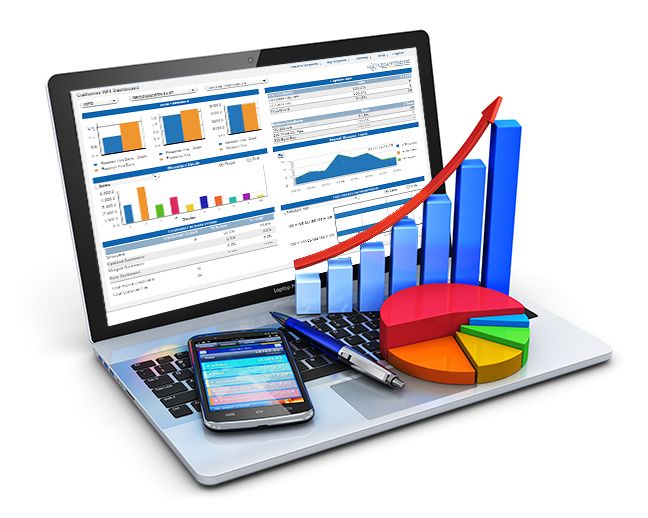
Accounting software records your transactions. It automates invoices and bank reconciliations. It gives you beautiful dashboards.
But software cannot look you in the eye and say: “That expense category is wrong. You will get audited if you leave it there.”
A professional accountant offers strategy. They help with tax planning, complex deals, and compliance. They spot problems before the government does.
The magic happens when you let each tool do what it does best.
Access our market intelligence to understand industry trends, competitor movements, and regulatory changes before they impact your business.
What is accounting software? A clear definition
Here is the simple version.
Accounting software automates financial record-keeping, transaction processing, and report generation. Modern cloud-based solutions make sophisticated accounting capabilities accessible to businesses of all sizes, including Nigerian SMEs with limited resources.
Breaking down the real costs
Let me give you numbers. Not guesses.
A good accounting software subscription in Nigeria costs between ₦5,000 and ₦50,000 per month. QuickBooks Online, Zoho Books, or Sage. Pick one that works with the FIRS tax rules.

A full-time accountant with ICAN certification? That is ₦150,000 to ₦500,000 monthly plus benefits.
But here is the trap. If you buy software and never touch it, you wasted your money. If you hire an accountant but make them do data entry, you are burning cash.
The smart path is different.
Use software for the boring stuff. Use your accountant for the big picture.
As noted in our capacity building programs, the right combination can save you up to 60% on financial management costs compared to relying solely on full-time staff.
What software does really well
You want to see your cash flow right now? Software shows you. No waiting for month-end reports.
You want to reconcile your bank account? Good software connects to Nigerian banks and automatically matches transactions. What used to take three hours now takes three minutes.
You want to invoice a client at 10 pm from your phone? Cloud software lets you do that.
We have seen small retailers in Port Harcourt cut their bookkeeping time by 70% using simple tools. That means more time selling, less time typing numbers.
Software also reduces mistakes. Manual entry always brings typos. Automation removes that risk. And it keeps an audit trail. You will know who changed what and when.
Stonehill Research provides strategic advisory to help you select and implement the right software for your specific business needs.
What your accountant brings that software cannot
No software will negotiate with the tax authorities when you get that scary letter.
No app will design a legal structure that saves you millions in company income tax.
And certainly no dashboard will sit across from a bank manager and explain why you deserve that loan.
Professional accountants in Nigeria, especially those with ICAN or ANAN certifications, do three things software cannot.
First, they interpret the numbers. A drop in profits might be a normal seasonal change or a sign of trouble. They know the difference.
Second, they handle complexity. Foreign currency transactions, mergers, and related party deals. Software gets confused. Your accountant does not.
Third, they keep you compliant across multiple agencies. FIRS. CAC. LIRS. State taxes. It is a mess. A good professional tracks all the deadlines and filings.
Our policy engagement support helps you navigate these regulatory complexities alongside your accountant.
The hybrid model that actually works
Here is what we recommend to every SME that walks through our doors.

Start with good software. Set it up properly. Configure Nigerian tax rates, your chart of accounts, and bank feeds.
Train one person on your team to handle daily tasks: sending invoices, recording payments, and running basic reports.
Then hire a professional accountant on a quarterly or monthly retainer. Not full-time. Just enough to review your books, prepare your tax filings, and advise you on big decisions.
That mix keeps your costs low and your financial health high.
We have seen manufacturing companies in Ogun State grow from ₦50 million to ₦500 million in revenue using this exact approach. Software handled the volume. The accountant handled the strategy.
Real example from a Lagos retail business
A client came to us last year. She runs a fashion store on the Island. Sales were good, but she had no idea if she was making a profit.
She used notebooks and an Excel sheet. Her accountant only showed up at tax time.
We set her up on basic accounting software. Connected her bank feed. Showed her how to invoice customers directly from the app.
Then we started quarterly reviews with a professional. After six months, she discovered two products were actually losing money. She stopped selling them. Profit jumped 35% in one quarter.
That is the hybrid model at work.
If you want to understand how tax compliance affects your business , our tax advisory service can help you avoid costly mistakes.
When to lean more on software
Very small businesses. Under ₦10 million annual revenue. If you have just a handful of transactions each month, start with free or low-cost software. Wave or basic Zoho. Pay an accountant once per year for tax filing.
Retail and e-commerce businesses with high transaction volume. Software is your friend here. Let it handle the thousands of small sales. Get professional help monthly or quarterly.
When to lean more on your accountant
You are in a highly regulated industry. Banking, insurance, oil and gas. Compliance mistakes cost you your license. Get heavy professional support from day one.
You are preparing to sell your business or raise investment. Investors want clean, certified books. Your accountant leads that process.
You have a complex ownership structure. Multiple partners, foreign investors, or holding companies. Do not try to manage that with software alone.
Our audit and assurance services provide the independent verification that investors and banks demand.
Common mistakes to avoid
Mistake one: buying expensive software and never using it properly. We see this all the time. People pay for premium features they do not understand. Start small. Learn the basics first.
Mistake two: hiring an accountant but making them do data entry. That is like paying a surgeon to change bandages. Let the software handle routine work. Let the accountant advise.
Mistake three: keeping paper records. Stop it. You cannot run a modern Nigerian business with notebooks. Digital records save you during audits. They also make your accountant love you.
What the future looks like
Artificial intelligence is coming to accounting software. Soon, your app will predict cash flow problems before they happen. It will automatically categorise transactions based on past patterns.
But here is what will not change. Someone still needs to ask the hard questions. Someone still needs to stand between you and the tax authorities.
That someone is a qualified professional accountant.
The software is a tool. The accountant is the expert. You need both.
Frequently Asked Questions
Q1: How much does accounting software cost in Nigeria?
A: Quality accounting software subscriptions typically range from ₦5,000 to ₦50,000 monthly depending on features and user requirements. Popular options include QuickBooks Online, Zoho Books, Sage, and Xero, all of which offer Nigerian localization including naira currency, VAT calculations, and local tax rules.
Q2: How much does it cost to hire a professional accountant in Nigeria?
A: A full-time qualified accountant with ICAN or ANAN certification costs between ₦150,000 and ₦500,000 monthly plus benefits. For the hybrid model, many SMEs hire accountants on a quarterly or monthly retainer for ₦50,000 to ₦150,000, significantly reducing costs while maintaining professional oversight.
Q3: What is the hybrid model for SME financial management?
A: The hybrid model combines accounting software for routine transaction processing, reporting, and compliance calculations with professional accountants for strategic planning, complex issues, tax optimization, and business advisory. This captures benefits of both while reducing professional fees by having accountants focus on high-value advisory rather than data entry.
Q4: Can accounting software handle Nigerian tax requirements?
A: Many international solutions now include Nigerian localization covering VAT, withholding tax, and company income tax. QuickBooks Online, Zoho Books, and Sage all offer Nigerian tax templates and bank integration. However, always verify specific Nigerian capabilities before purchase and consider professional advisor setup assistance ensuring correct configuration.
Q5: What should a micro-enterprise with under ₦10 million revenue do?
A: Start with free or low-cost software like Wave or basic Zoho Books. Pay an accountant once per year for tax compliance. As revenue grows, upgrade software and increase professional review frequency. The key is starting with good habits even when the business is small.
Q6: What services do professional accountants offer beyond software?
A: Professional accountants provide strategic financial guidance (business strategy, performance analysis, cash flow management), complex transaction handling (mergers, valuations, foreign currency), tax planning and optimization, audit and assurance services, regulatory compliance across multiple Nigerian agencies (FIRS, CAC, SEC, CBN), and fraud detection and investigation.
Q7: How do I choose the right accounting software for my Nigerian SME?
A: Consider your business size, industry, transaction volume, and specific needs. For retail, prioritize POS integration. For manufacturing, look for inventory and production costing. For services, focus on time tracking and project billing. Test software through free trials before committing. Our market intelligence service can help you evaluate options.
Q8: Can Stonehill Research help me implement a hybrid financial management system?
A: Yes. We offer complete software implementation services (selection, setup, training, support), professional accounting and advisory services (monthly/quarterly reviews, tax planning, audit support), and hybrid model design (custom frameworks combining software and professional support). Contact us for a free assessment.
Transform Your Financial Management Today
Stop struggling with financial uncertainty. Discover the perfect accounting solution for your Nigerian SME.
You have read about the benefits of accounting software, the value of professional accountants, and the power of combining both strategically. Now it is time to take action and transform your business’s financial management.
Why Choose Stonehill Research?
At Stonehill Research, we understand that Nigerian SMEs face unique challenges requiring tailored solutions, not one-size-fits-all approaches. Our comprehensive services bridge the gap between technology and expertise, helping you implement optimal financial management strategies.
We Offer Complete Financial Management Solutions:
Software Implementation Services
-
Objective assessment and recommendation of the best accounting software for your specific needs
-
Professional setup and configuration ensuring Nigerian compliance
-
Comprehensive training for your team
-
Ongoing technical support and optimization
Professional Accounting and Advisory Services
-
Monthly, quarterly, or custom-scheduled financial review and reporting
-
Tax planning, compliance, and filing across federal and state jurisdictions
-
Strategic financial advisory supporting business growth
-
Audit preparation and coordination
-
Complex transaction support
-
Internal control design and implementation
Hybrid Model Design
-
Custom financial management frameworks combining software and professional support
-
Clear definition of responsibilities and workflows
-
Scalable solutions growing with your business
-
Cost-optimised approaches maximising value within your budget
Take Action Now
Don’t let another month pass with inadequate financial management. Contact Stonehill Research today to schedule your complimentary assessment and discover how the right combination of accounting software and professional expertise can transform your business.
📧 Email: info@stonehillresearch.com
📞 Phone: +234 802 320 0801
📍 Address: 5, Ishola Bello Close, Off Iyalla Street, Alausa, Ikeja, Lagos, Nigeria
Contact us today to schedule your appointment
Recommended reading from the Stonehill Research blog
To help you build a complete understanding of financial management for Nigerian SMEs, here are related articles and guides you should read next:
• Tax Compliance for Nigerian SMEs: Why Your Small Business in Lagos Needs It Now – A deep dive into FIRS penalties, VAT remittance, and how clean books protect your business.
Related services from Stonehill Research
We offer the following services to help Nigerian SMEs achieve and maintain financial excellence:
• Audit & Assurance Services – Independent verification of financial statements and internal controls.
• Strategic Advisory – Stonehill Research provides strategic advisory for Nigerian businesses preparing for investment, expansion, or exit.
• Policy Engagement Support – Guidance on navigating government regulations and policy changes.
• Capacity Building – Workshops and training for finance teams at SMEs.
• Market Intelligence – Access our market intelligence to understand industry trends, competitor movements, and regulatory changes before they impact your business.
About Stonehill Research
Stonehill Research is a research and advisory firm that specializes in helping Nigerian SMEs build the financial foundations that protect them from shocks and position them for sustainable growth. We are not a big, anonymous firm. We are real people who have sat with real business owners through audits, loan applications, and investor negotiations. We know the landscape because we live in it.
Contact us today to schedule a free 30-minute consultation. Let us look at your situation, answer your specific questions, and give you a clear roadmap for financial excellence.
📧 Email: info@stonehillresearch.com
📞 Phone: +234 802 320 0801
📍 Address: 5, Ishola Bello Close, Off Iyalla Street, Alausa, Ikeja, Lagos, Nigeria
References
-
Institute of Chartered Accountants of Nigeria (ICAN). (2026). ICAN charges inductees to uphold the principles of accounting. Vanguard Nigeria.
-
Institute of Chartered Accountants of Nigeria (ICAN). (2026). ICAN president urges new accounting technicians to embrace integrity and accuracy. Punch Newspapers.
-
Association of National Accountants of Nigeria (ANAN). (2026). ANAN aims to strengthen accounting standards and practices in Nigeria. Vanguard Nigeria.
-
Association of National Accountants of Nigeria (ANAN). (2026). ANAN to reform accounting education in Nigeria. The Accountant.
-
Federal Inland Revenue Service (FIRS). (2026). FIRS: Small companies must file returns despite a zero per cent tax. Nairametrics.
-
Federal Inland Revenue Service (FIRS). (2026). FIRS e-Invoicing: What Nigerian Businesses Need to Know. Kuda Business Help Centre.
-
Companies and Allied Matters Act (CAMA) 2020. Legal analysis of shareholder approval requirements. BusinessDay Nigeria.
-
Central Bank of Nigeria (CBN). (2021). CBN increases access to finance for MSMEs. Nairametrics.
-
Small and Medium Enterprises Development Agency of Nigeria (SMEDAN). (2025). Bujeti, SMEDAN partner to equip Nigerian SMEs with financial tools. THISDAYLIVE.
-
Nigerian Exchange Group (NGX). Exchange overview and listing requirements. Sustainable Stock Exchanges Initiative.
-
Investopedia. (n.d.). Accounting Software. (Note: Page returns 403 error. Please visit Investopedia directly to verify.)
There are no comments