

What the Next-Gen Nigerian Consumer Wants: Insights from Gen Alpha & Young Gen Z
Nigeria’s consumer landscape is transforming. Dramatically.
The youngest generations are driving the change. Gen Alpha makes up 35.6% of Nigeria’s total population. Gen Z accounts for 25.8%. Together, they form a consumer force that businesses cannot ignore.
As of 2026, understanding their preferences, behaviours, and expectations has become critical for brands seeking relevance in Africa’s largest economy.
Let me walk you through what these next-generation consumers actually want.

Understanding digital natives: a key definition
According to TechTarget, digital natives are “generally identified as the millennial generation and the generations that come after; as of right now, this includes Generation Z and now Gen Alpha.” These individuals “have spent nearly their entire lives surrounded by computers, digital devices and the world of social media.”
Both Gen Alpha and young Gen Z Nigerians are quintessential digital natives. They have never known a world without smartphones, social media, and instant digital connectivity. This fundamental characteristic shapes every aspect of their consumer behaviour.
The demographic dominance of youth in Nigeria
Understanding the sheer scale of Nigeria’s youth population is crucial for grasping market opportunities.
Source: ResearchAndMarkets.com. Nigeria Consumer Profile Report 2024-2040. https://www.globenewswire.com/news-release/2024/12/30/3002535/28124/en/Nigeria-Consumer-Profile-Report-2024-2040.html
These numbers tell a compelling story. Nigeria is not just young. It is getting younger and more digitally connected. By 2040, Nigeria’s population is projected to reach 313 million, with Gen Alpha expected to dominate the consumer landscape.
Businesses that fail to understand and adapt to these generations will struggle to maintain market relevance.
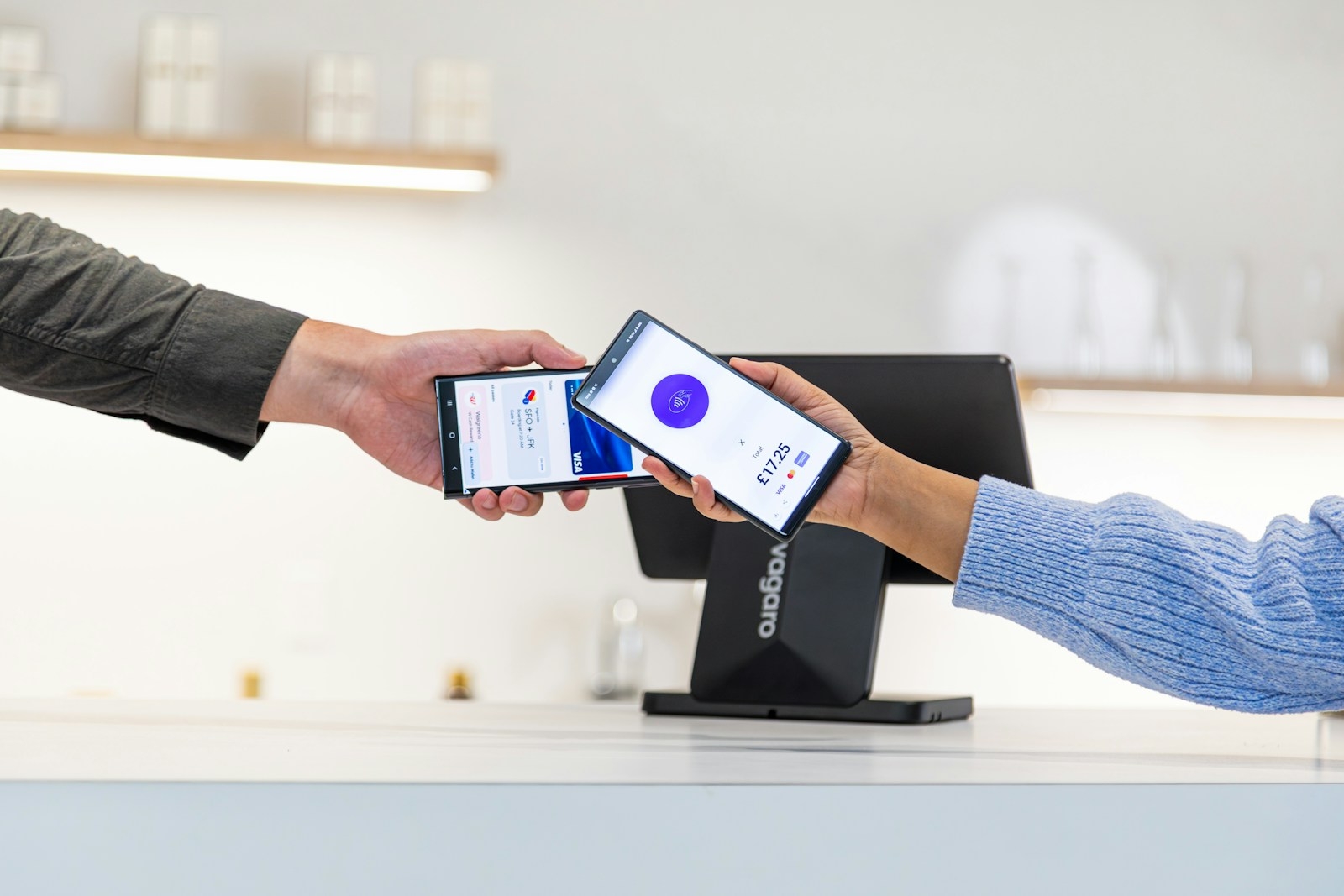
Mobile-first and digital payment adoption
Nigeria’s next generation consumers are leading Africa’s fintech revolution. Their relationship with technology is more nuanced than simple adoption statistics might suggest.
Over 40% of Nigerian Gen Z actively use fintech platforms like Cowrywise, Chaka, and PiggyVest. Primary use cases focus on short term savings and daily expense management rather than long term investment. Only 1% currently invest, indicating cautious but growing financial maturity. Over 80% of Sub Saharan African internet users access the web exclusively through mobile devices.
Understanding the Gen Z in Nigeria. https://sagaciresearch.com/gen-z-nigeria-insights/
Platform preferences show distinctive patterns. Instagram is the most popular social media platform for younger Nigerian consumers. Netflix is the most popular streaming service at 61% among the 18 to 25 age group versus 54% among older consumers. Spotify is preferred by 15% of 18 to 25 year olds. Jumia is more popular among younger consumers at 58% versus 50% of older shoppers.
The physical store preference paradox
Interestingly, despite their digital proficiency, 58% of young Nigerian male consumers aged 18 to 25 prefer visiting physical stores rather than buying online, compared to 47% of older consumers. This preference stems from their desire for tangible product experiences. They want to see, touch, and personally select items before purchasing.
This finding challenges conventional wisdom about digital natives. It highlights the importance of omnichannel strategies that blend physical and digital experiences.
Values-driven consumption and brand authenticity
Today’s Nigerian youth are among the most values conscious generations the continent has seen. Their purchasing decisions extend far beyond price and quality to encompass what brands stand for.
Research shows that 79% of Nigerian Gen Z consumers report that a company’s commitment to diversity directly influences their buying decisions. Brands must demonstrate genuine commitment to inclusive practices, not just performative gestures.
Young Nigerians are increasingly reshaping their lifestyles to reflect environmental awareness. While economic pressures remain significant, sustainability considerations are growing in importance, particularly among upper socioeconomic segments.
Gen Alpha and young Gen Z consumers can detect inauthenticity instantly. They value brands that are honest about their processes, admit mistakes, and maintain consistent values across all touchpoints.
Brands that champion causes and foster community engagement resonate strongly with these generations. But the commitment must be genuine. Surface level CSR initiatives are quickly dismissed.
Traditional brand loyalty is being replaced by values alignment. Young Nigerian consumers are willing to switch brands if they discover misalignment with their values. But they become fierce advocates for brands that authentically represent their beliefs.
The practicality factor: value for money still matters
While Nigerian Gen Alpha and Gen Z are values driven, they are also highly practical. They are shaped by economic realities where inflation and living costs create daily challenges.
In markets with similar youth dynamics, 81.7% of Gen Z consumers prioritise product quality above all other factors. This trend mirrors observations in Nigeria. Despite budget constraints, young consumers seek quality products that deliver on promises, affordability without compromising standards, brand trust built through consistent delivery, and value for money rather than just low prices.
Nigerian youth are not looking for the cheapest option. They are looking for the best value. They research extensively, read reviews, compare options, and make informed decisions.
Brands like Nivea have succeeded among young Nigerian males with 27% preference versus 21% among older consumers by striking this balance between quality, accessibility, and trust.
Content consumption and marketing preferences
Understanding how to reach Gen Alpha and young Gen Z requires mastery of their content consumption habits. They differ significantly from previous generations.
Speed and mobile optimisation are non negotiable.
Fast loading websites are critical. Slow sites are immediately abandoned. Mobile first design is mandatory, not optional. Vertical video formats dominate including TikTok, Instagram Reels, and YouTube Shorts. Scroll friendly, bite sized content performs best.
Preferred content characteristics.
Young Nigerian consumers prefer genuine, relatable content over overly produced material. User generated content and influencer partnerships that feel authentic outperform traditional advertising.
They want to engage, not just consume. Polls, challenges, interactive stories, and community building content generate higher engagement.
Content that reflects Nigerian culture, language, humour, and experiences resonates powerfully. Global brands must localise authentically to succeed.
Content that teaches something, whether entertainment, life skills, or product knowledge, is highly valued.
Social commerce integration.
Young Nigerian consumers increasingly discover and purchase products directly through social media. Instagram and Facebook serve dual purposes as entertainment and shopping platforms. Twenty two percent of 18 to 25 year olds use Facebook for social shopping.
Fashion and personal expression

Fashion serves as a primary vehicle for self expression among Nigeria’s young consumers. It reflects their identity, values, and cultural pride.
Key fashion trends in 2025 and 2026.
Source: Rex Clarke Adventures. How Nigerian Millennials and Gen Z Are Redefining Fashion in 2025. https://rexclarkeadventures.com/nigerian-fashion-millennials-gen-z-trends/
Sustainability meets streetwear. More young Nigerians are choosing eco friendly fashion options including thrifting, upcycling, and supporting sustainable brands. This intersects with streetwear culture, creating unique hybrid styles.
Cultural fusion is strong. Ankara prints and traditional fabrics are being reimagined with contemporary streetwear aesthetics. Young consumers seamlessly blend traditional and modern elements.
Bold expression dominates. Vibrant colours like neon green, bright orange, and electric blue. Eye catching prints. Statement pieces. The minimalist aesthetic has given way to maximalist expression.
Tech infused fashion is gaining traction. Wearable technology from smartwatches to LED accessories appeals to tech savvy young consumers.
Layering and versatility are increasingly popular. Practical layering allows outfit adaptation to different occasions and temperatures, particularly when incorporating cultural fabrics like Ankara or Aso Oke.
What this means for fashion brands.
Success requires authentic incorporation of Nigerian cultural elements, sustainable production practices or clear commitment to moving in that direction, affordable quality options, a strong social media presence with engaging culturally relevant content, and collaboration with Nigerian designers and influencers.
Beverage and food preferences
Food and beverage choices among young Nigerian consumers reveal interesting generational differences and evolving health consciousness.
Beverage consumption patterns.
When choosing non alcoholic drinks, younger consumers aged 18 to 25 focus more on taste, brand appeal, and convenience. Older consumers aged 26 and above prioritise health factors. Forty three percent focus on low or zero sugar content. Twenty nine percent avoid additives. Both groups equally prefer bottled water at 36%.
Both age groups show identical preferences for champagne at 17% and cider at 6%, suggesting these categories bridge generational divides.
Emerging health consciousness.
While current data shows younger consumers are less health focused than older cohorts with only 23% prioritising low sugar versus 43% of older consumers, this is changing. As Gen Alpha matures and health information becomes more accessible through digital platforms, health conscious consumption is expected to increase.
Implications for food and beverage brands.
Taste remains king for younger consumers. Transparent ingredient labelling builds trust. Cultural relevance in flavours and branding matters. Social media worthy packaging drives organic marketing. Convenience formats suit mobile, on the go lifestyles.
The Gen Alpha emergence: what is coming next
While Gen Z currently dominates consumer spending among Nigerian youth, Gen Alpha, currently aged 0 to 15, is rapidly emerging as a force that will reshape markets in the coming decade.
Gen Alpha characteristics in Nigeria.
Source: Techpoint Africa. Generation alpha demographics 2025. https://techpoint.africa/guide/generation-alpha-demographics/
Digital fluency from birth. Gen Alpha Nigerians are growing up with tablets and smartphones from infancy. They are comfortable with AI assistants, voice commands, and complex digital interfaces before they can write full sentences.
Hybrid learning natives. Many are experiencing gamified education apps, AI tutors, and hybrid learning environments. This shapes expectations for all experiences to be interactive and personalised.
Mobile first exclusively. Unlike Gen Z who remember pre smartphone days, Gen Alpha has never known anything different. Mobile is not just first. It is only.
Shorter attention spans, higher expectations. Studies show Gen Alpha averages over 4 hours of screen time daily, consuming content across multiple platforms simultaneously. They expect instant gratification, seamless experiences, and constant stimulation.
Source: Numerator. Gen Alpha Shopping Trends to Expect in 2025 and 2026. https://www.numerator.com/resources/blog/generation-alpha-future-consumers/
Allowance spending patterns with Nigerian implications.
Ages 1 to 5 spend 64% on toys and 51% on snacks. Ages 6 to 10 spend 70% on toys, 65% on snacks, with growing spending on entertainment at 35% and electronics at 29%. Ages 11 to 14 see a major shift. Toys drop to 38%. Apparel surges to 42%. Electronics reach 42%. Beauty products reach 30%.
Preparing for Gen Alpha consumers.
Brands targeting Nigerian markets should invest in mobile first experiences that are even faster and more intuitive. Develop interactive, gamified engagement strategies. Create content for multiple short form platforms simultaneously. Build authentic community connections that extend beyond transactions. Prepare for AI mediated interactions as normal commerce channels. Recognise the shift from toy focused spending to identity and technology products by early teens.
Where to start tomorrow
Do not try to appeal to all young consumers at once.
Segment your target. Gen Z and Gen Alpha have different needs. Different platforms. Different spending power.
Audit your brand values. Are you genuinely committed to diversity? Sustainability? Transparency? Young consumers will check.
Optimise for mobile. If your website is not fast on a smartphone, you have already lost them.
Blend physical and digital. Young Nigerians still want to touch products. Give them that option.
Create authentic content. Stop producing polished ads. Start telling real stories.
Prepare for Gen Alpha now. They will be your primary consumers within five years.
Final word
Nigeria’s Gen Alpha and young Gen Z consumers are not the future. They are the present.
With 61.4% of Nigeria’s 238 million people falling into these two generations, they are the driving force of consumer markets today.
Demographics are destiny. Mobile first is mandatory. Values drive decisions. Quality trumps price. Physical meets digital. Cultural relevance is critical.
The brands that thrive will be those that genuinely align with young consumers’ values, deliver exceptional mobile experiences, maintain cultural authenticity, and build real communities.
The opportunity is immense. Nigeria is projected to become the world’s third most populous country by 2050, with Gen Alpha and Gen Z continuing to dominate consumer markets for decades.
The question is not whether to engage these generations. It is how quickly and authentically your brand can adapt to their expectations.
CALL TO ACTION
Ready to Understand Your Next-Generation Consumers?
The Nigerian market is transforming faster than ever before. Don’t let your brand fall behind. Whether you need comprehensive consumer research, youth market insights, or strategic guidance on engaging Gen Alpha and Gen Z, Stonehill Research can help.
Our Services Include
Youth consumer behaviour research. Gen Z and Gen Alpha market insights. Brand values and authenticity audits. Mobile first experience design. Omnichannel strategy development. Cultural relevance assessment. Future consumer trend forecasting.
Why Choose Stonehill Research?
Deep Nigerian Expertise. We understand the Nigerian youth market from the inside out. Not just the data, but the culture.
Generational Focus. We specialise in Gen Z and Gen Alpha. These are not side projects. They are our core focus.
Actionable Insights. We do not just give you reports. We give you strategies you can execute.
Forward Looking. We help you prepare for Gen Alpha today, not react after they have already shifted the market.
Contact Us Today
Let us work together to position your brand for success with Nigeria’s next generation consumers.
📧 Email: info@stonehillresearch.com
📞 Phone: +234 802 320 0801
📍 Address: 5, Ishola Bello Close, Off Iyalla Street, Alausa, Ikeja, Lagos
Schedule a Consultation. Reach out today to discuss how our research insights can drive your business growth.
Stonehill Research – Your Partner in Understanding Nigeria’s Next Generation Consumers
REFERENCES
TechTarget. What is a digital native? https://www.techtarget.com/whatis/definition/digital-native
Sagaci Research. Understanding the Gen Z in Nigeria: Trends and Insights. https://sagaciresearch.com/gen-z-nigeria-insights/
Intelpoint. Nigeria’s youth demographic is evident as Gen Z and Millennials combined comprise over 50.1% of the population. https://intelpoint.co/insights/nigerias-youth-demographic-is-evident-as-gen-z-and-millennials-combined-comprise-over-50-1-of-the-population/
MarTech Africa. Africa’s Gen Z Consumers Aren’t Who You Think: Here’s What They Want in 2025. https://martechafrica.com/b2c-marketing/africas-gen-z-consumers-arent-who-you-think-heres-what-they-want/
ResearchAndMarkets.com. Nigeria Consumer Profile Report 2024-2040. https://www.globenewswire.com/news-release/2024/12/30/3002535/28124/en/Nigeria-Consumer-Profile-Report-2024-2040.html
Techpoint Africa. Generation alpha demographics 2025: key stats, data & emerging trends. https://techpoint.africa/guide/generation-alpha-demographics/
Rex Clarke Adventures. How Nigerian Millennials and Gen Z Are Redefining Fashion in 2025 – Trends You Need to Know! https://rexclarkeadventures.com/nigerian-fashion-millennials-gen-z-trends/
Numerator. Gen Alpha Shopping Trends to Expect in 2025 and 2026. https://www.numerator.com/resources/blog/generation-alpha-future-consumers/
There are no comments